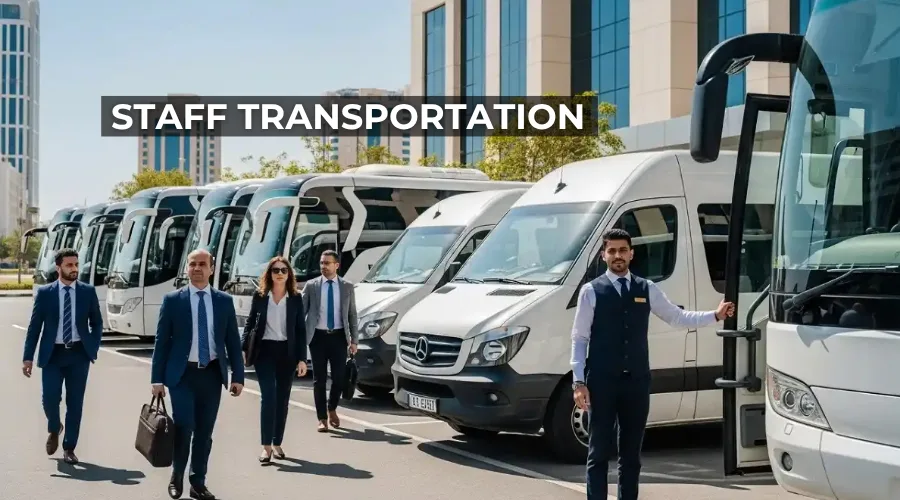
In today’s fast-paced business world, effective staff transportation services have become a crucial component of organizational operations. These services are essential for increasing productivity, promoting employee satisfaction, and boosting overall operational efficiency—they go beyond simply transporting workers from one location to another. Organizations that invest in efficient transportation solutions are better able to fulfill the needs of a dynamic business environment in a time when time is of the essence.
Staff transportation aims to provide a stress-free commute so that workers may concentrate on their work, not only convenience. Businesses assist workers in arriving at work feeling rejuvenated and prepared to contribute by eliminating the inconveniences of negotiating traffic or making their own travel arrangements. Additionally, these services encourage timeliness, guaranteeing seamless operations free from needless delays.
Offering transportation services shows an organization’s dedication to its workers’ well-being, which improves retention and job satisfaction. By lowering the carbon footprint through shared commutes, it also supports sustainability objectives. Staff mobility is essentially a strategic investment that goes beyond logistics and promotes both business performance and employee well-being. Businesses that prioritize these services present themselves as progressive, employee-focused organizations with room to expand.
Table of Contents
1. Enhancing Employee Productivity:
- Streamlining Daily Commutes: Getting to work on time and negotiating everyday traffic are two of the biggest obstacles that professionals confront. This obstacle is removed by staff transportation services, which offer a dependable and organized way to commute. Employees are less worried and more focused on their work when they don’t have to worry about finding parking or navigating clogged roadways.
- Encouraging Punctuality: Employee adherence to rigorous timetables is ensured via timely transportation. Establishing clear pick-up and drop-off locations helps companies cultivate a punctual culture. Meetings, teamwork, and everyday tasks go more smoothly when everyone shows up on time, which improves organizational effectiveness.
2. Boosting Employee Satisfaction:
- Prioritizing Comfort and Safety: One of the most stressful aspects of many workers’ days is their commute. Before the workweek even starts, aggravation and exhaustion might result from sitting through lengthy traffic jams or enduring erratic public transit. Employers guarantee a smooth and enjoyable travel for their staff by providing cozy and well-maintained cars. Air conditioning, roomy seating, and spotless interiors raise the comfort level and foster a calmer atmosphere. Employing skilled drivers who adhere to stringent safety regulations also gives workers a sense of security. An organization’s dedication to employee safety is further demonstrated by features like GPS tracking, emergency response systems, and regular vehicle maintenance, which guarantee peace of mind on every trip.
- Improving Work-Life Balance: Employees’ personal lives may suffer as a result of long and tiresome journeys, which reduces the amount of time they may spend with their family or engaging in hobbies. By shortening commutes and offering a more consistent travel schedule, staff transportation services help to lessen this problem. Employees spend less time traveling, which frees up more time for personal pursuits like exercising, spending time with loved ones, or just lounging at home. Overall happiness and job satisfaction are influenced by this better work-life balance. Employees are more likely to remain engaged and perform better at work when they believe that their personal time is valued, which benefits the entire company.
Get round-the-clock support with our rides and services.
3. Promoting Environmental Sustainability:
- Reducing Carbon Footprint: There are fewer individual cars on the road when businesses offer shared transportation services. This lowers greenhouse gas emissions considerably. Businesses can further improve their sustainability efforts by choosing electric buses or eco-friendly cars.
- Encouraging Carpool Culture: The concept of shared commuting, which lowers fuel consumption and lessens environmental damage, is encouraged by staff transportation. Businesses that implement these strategies can establish themselves as ecologically conscious organizations.
4. Cost-Effectiveness for Both Employers and Employees:
- Saving Costs for Employees: Employees’ daily commutes can be costly, particularly in cities. Over time, gas, parking costs, and car upkeep mount up. Employees can save a lot of money thanks to staff transportation services, which eliminate these costs.
- Optimizing Organizational Budgets: Even while starting a transportation service has upfront expenses, there may be long-term benefits. Organizations can experience a return on investment that exceeds the expenses of offering such services by increasing productivity, decreasing employee churn, and improving attendance.
5. Enhancing Recruitment and Retention:
- Attracting Top Talent: Providing staff transportation is a big plus in competitive job markets. Prospective workers are more inclined to select a company that puts their comfort and welfare first. This service is particularly appealing in urban areas with inadequate public transit systems.
- Reducing Employee Turnover: Businesses that make their life easier have a higher retention rate. By lowering commute-related stress and raising general job satisfaction, staff transportation lowers attrition and keeps great people on staff.
6. Addressing Safety and Security Concerns:
- Mitigating Risks During Late Hours: Staff transportation services are essential in sectors like IT and BPO that require late-night shifts. They guarantee that workers, particularly women, can get to and from work safely at unusual hours. Safety is further improved by including security measures like panic buttons and GPS tracking.
- Ensuring Compliance with Labor Laws: Labor rules in several areas require companies to give workers who work late shifts safe transportation. Companies that follow these rules not only safeguard their workers but also steer clear of possible legal issues.
7. Building a Positive Organizational Image:
- Showcasing Employee-Centric Policies: Employees view companies that offer staff transportation services as being employee-friendly. This enhances the company’s reputation and draws in clients and job seekers. Better commercial prospects and collaborations can result from having a solid reputation.
- Aligning with Corporate Social Responsibility (CSR): Staff transportation aligns with CSR initiatives by promoting sustainability and employee welfare. Companies that invest in eco-friendly transport options demonstrate their commitment to environmental and social causes, enhancing their public image.
8. Supporting Business Continuity:
- Minimizing Absenteeism: Reliable transportation services ensure employees can reach the workplace regardless of weather conditions, public transport strikes, or other disruptions. This minimizes absenteeism and ensures business continuity even during challenging times.
- Facilitating Remote and Hybrid Work Models: For organizations adopting hybrid work models, staff transportation can support employees who need to commute to the office on specific days. Flexibility in transportation schedules ensures seamless operations without compromising on convenience.
Get round-the-clock support with our rides and services.
9. Incorporating Technology for Better Services
- Optimizing Routes with GPS: Modern staff transportation services leverage technology to provide efficient routes, reducing travel time. GPS tracking also ensures real-time monitoring, enhancing safety and reliability.
- Enabling Mobile App Integration: Many organizations now offer mobile apps for their staff transportation services. Employees can use these apps to track their vehicles, check schedules, or raise concerns, ensuring a seamless commuting experience.
10. Customizing Services to Meet Diverse Needs
- Catering to Different Employee Groups: Organizations with diverse workforces can customize transportation services to meet specific needs. For instance, they can provide separate vehicles for employees in different geographic locations or those with different shift timings.
- Offering Value-Added Services: Some companies go the extra mile by providing Wi-Fi, charging points, or refreshments in their staff vehicles. These value-added services enhance the commuting experience, making employees feel valued and appreciated.
Read More: How Corporate Car Rental Services Meet Modern Business Needs
Staff transportation services are a strategic investment in the success of the company and the well-being of its employees, not just a practical logistical solution. Businesses can cultivate a contented and productive staff and obtain a competitive advantage in their sector by giving priority to safe, effective, and sustainable modes of transportation. The advantages of staff transportation are indisputable, whether they are achieved through increased safety, sustainability, or productivity. Businesses that use these services are not just relocating staff members but also promoting development and expansion.