When it comes to destinations rich in history, vibrant culture, and stunning architecture, Jaipur, famously known as the Pink City of India, stands in a league of its own. As the capital of Rajasthan, Jaipur offers a seamless blend of royal heritage and urban charm, making it a must-visit destination for travellers seeking an immersive experience. From its iconic pink-hued facades that exude an old-world charm to its grand palaces, majestic forts, and UNESCO World Heritage sites, Jaipur is a treasure trove of wonders. This guide will provide you with comprehensive insights into everything you need to know before visiting Jaipur, including its famed attractions, hidden gems, nearby getaways, and practical travel tips for a memorable journey.
Table of Contents
About Jaipur
Jaipur, the capital city of Rajasthan, is a dazzling blend of tradition and modernity. Established in 1727 by Maharaja Sawai Jai Singh II, the town was meticulously planned based on Vedic principles of architecture, making it one of India’s earliest planned cities. Known as the Pink City due to its uniformly pink-colored buildings, Jaipur exudes an old-world charm coupled with a regal aura.
The city boasts UNESCO World Heritage sites such as Amer Fort and Jantar Mantar, offering a glimpse into its royal past. Jaipur is also home to busy bazaars like Johari Bazaar and Bapu Bazaar, which provide exquisite handicrafts, textiles, and jewellery. From majestic forts and magnificent palaces to cultural festivals and delicious Rajasthani cuisine, Jaipur has something for everyone. Whether you are a history enthusiast, an adventure seeker, or a leisure traveller, Jaipur promises an unforgettable experience.
Best Time to Visit Jaipur:
The ideal time to explore Jaipur is during the winter months, from October to March. During this period, the weather remains pleasant with temperatures ranging between 10°C and 27°C, perfect for outdoor sightseeing and cultural exploration.
While the monsoon season from July to September brings sporadic rains, it transforms the city into a rich, picturesque retreat, offering a different kind of beauty. However, sightseeing might be slightly challenging due to unexpected downpours. Summers, from April to June, should be avoided as temperatures can exceed 40°C, making outdoor activities uncomfortable. Festivals like the Jaipur Literature Festival in January and Teej in August also make winter and monsoon visits more culturally enriching. Carefully planning your trip around the season ensures you enjoy Jaipur at its best.
Comfy Rides for Smooth Journey
Top Places to Visit in Jaipur:
Amber Fort (Amer Fort):
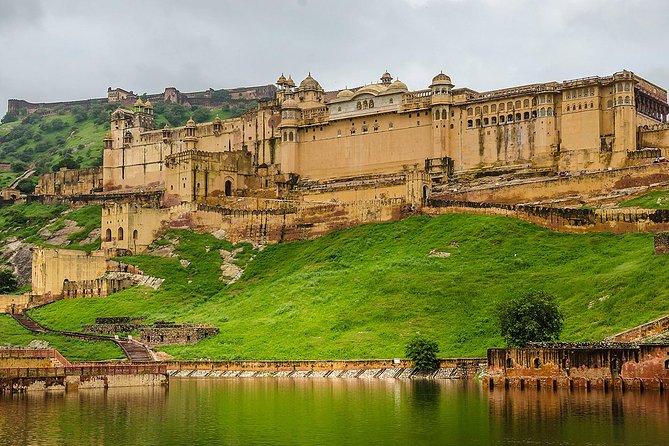
Amber Fort, located approximately 11 km from Jaipur, is an iconic symbol of Rajasthan’s royal heritage. Constructed in the 16th century by Raja Man Singh, the fort is a masterpiece of Rajput and Mughal architecture. The intricate carvings, expansive courtyards, and stunning mirror work in the Sheesh Mahal captivate visitors. The fort is strategically perched on a hill, offering panoramic views of the surrounding landscape and Maota Lake below. Visitors can explore the grandeur of the Diwan-i-Aam (Hall of Public Audience) and Diwan-i-Khas (Hall of Private Audience), which reflect the grandeur of the Rajput rulers. A popular way to reach the fort is by elephant ride or jeep, adding to the adventurous experience. Amber Fort is not just a historical monument but a journey into the splendour of a bygone era.
Entry Timing: The Fort is open from 7:00 AM to 9:00 PM on all days.
Tickets: You can find the details for the ticket prices below:
| Visitor Type | Entry Fee | Notes |
| Indian adult | ₹ 100 | Government-subsidized rate |
| Indian student | ₹10–20 | Valid student ID required |
| Foreign adult | ₹500–550 | Higher visitor fee |
| Foreign student | ₹100–150 | With valid foreign student ID |
City Palace:
The City Palace is a magnificent complex that stands as a testament to Jaipur’s royal legacy. Built by Maharaja Sawai Jai Singh II, the palace is a blend of Mughal and Rajput architecture. It houses several palatial structures, including the Chandra Mahal and Mubarak Mahal, each with its unique design and purpose. The museum within the complex showcases royal artifacts, costumes, and weaponry, offering insights into the regal lifestyle. The intricate gates, including the Peacock Gate, are architectural marvels that symbolize the seasons. The City Palace also provides stunning views of the surrounding cityscape. Visitors can participate in guided tours to explore its rich history. The palace continues to be a residence for Jaipur’s royal family, making it a living heritage site. A visit here is like stepping back in time to experience royal grandeur.
Entry Timing: The Fort is open from 10:00 AM to 5:30 PM on all days.
Ticket Prices: The details of the ticket prices are given below:
City Palace Jaipur Entry Fee for Indian Nationals
| Museum | Composite | Museum at Night | Sculpture Lumiere Show | Royal Grandeur | Royal Splendor | |
| Adult | 300 | 400 | 500 | 250 | 1500 | 3000 |
| Child (7-12 years) / Students (with valid ID) | 150 | 250 | 250 | 150 | 1000 | 1500 |
| Adult (Senior/ Defence & Police with valid ID) | 150 | 250 | 250 | 150 | – | – |
City Palace Jaipur Entry Fee for Foreign Nationals
| Museum | Composite | Museum at Night | Sculpture Lumiere Show | Royal Grandeur | Royal Splendor | |
| Adult | 1000 | 1250 | 1000 | 500 | 2000 | 4000 |
| Child (7-12 years) / Students (with valid ID) | 500 | 650 | 500 | 250 | 1500 | 2000 |
| Adult (Visitors with Special Needs) | 500 | 650 | 500 | 250 | – | – |
Comfy Rides for Smooth Journey
Hawa Mahal (Palace of Winds):
Hawa Mahal, one of Jaipur’s most iconic landmarks, is a five-story architectural masterpiece built in 1799 by Maharaja Sawai Pratap Singh. Constructed from red and pink sandstone, its unique honeycomb structure features 953 intricately carved windows, or jharokhas, designed to allow the royal women to observe street festivities while maintaining their privacy. The lattice design ensures ventilation, keeping the palace cool even during Rajasthan’s scorching summers. The façade resembles a crown, symbolizing Lord Krishna’s divine influence.
Inside, narrow passages lead to small chambers that showcase the ingenuity of Rajput architecture. Visitors can climb to the top for a stunning view of Jaipur’s bustling streets and the majestic City Palace. At sunrise, the palace glows in golden hues, making it a photographer’s delight. Hawa Mahal is not just an architectural marvel but also a symbol of Jaipur’s rich cultural heritage and artistic brilliance.
Entry timing: Hawa Mahal is open from 9:00 AM to 5:00 PM on all days.
Ticket Prices: The detailed pricing of the tickets is given below:
| Visitor Type | Entry Fee (₹) |
|---|---|
| Indian nationals | ₹50 |
| Foreign tourists | ₹200 |
Jantar Mantar:
Jantar Mantar, a UNESCO World Heritage Site, is an astronomical observatory built by Maharaja Sawai Jai Singh II in 1734. This fascinating complex houses 19 astronomical instruments, including the world’s largest stone sundial, the Samrat Yantra. Each instrument is meticulously designed to measure time, predict eclipses, and observe celestial events.
The observatory is an exemplary blend of science and art, showcasing the advanced knowledge of astronomy and mathematics of the era. Visitors can explore instruments like the Jaiprakash Yantra, used for tracking the position of stars, and the Narivalaya Yantra, designed for calculating local time. Guided tours enhance the experience, offering in-depth explanations of how these instruments function. Jantar Mantar is not just a historical site but also an educational hub, making it a must-visit for science enthusiasts and history buffs alike.
Entry Timing: It is open from 9:30 AM to 4:30 PM on all days.
Ticket Prices: The details of the ticket prices are given below:
| Visitor Type | Entry Fee (₹) |
|---|---|
| Indian Adults | ₹50 |
| Indian Students | ₹15 |
| Foreign Tourists | ₹200 |
| Foreign Students | ₹100 |
| Children (≤7 years) | Free |
| Camera Fee | ₹50 |
| Guide Fee | ₹200–₹300 |
Nahargarh Fort:
Perched on the Aravalli Hills, Nahargarh Fort is a stunning fortification that offers a bird’s-eye view of Jaipur. Built in 1734 by Maharaja Sawai Jai Singh II, the fort served as a defensive structure as well as a retreat for the royal family. Its name, meaning “Abode of Tigers,” reflects its imposing presence and strategic importance.
The fort’s architecture is a harmonious blend of Indian and European styles, with its royal suites and intricate frescoes standing out. The Madhavendra Bhavan, a summer palace within the fort, is a marvel of design with interconnected suites and courtyards. Nahargarh Fort is particularly enchanting at sunset when the city below lights up, creating a magical panorama. The fort also houses a wax museum and sculpture park, adding modern attractions to its historical allure. A visit here is a journey through history coupled with breathtaking views.
Entry Timing: The Fort is open from 10:00 AM to 5:30 PM on all days.
Ticket Price: Find below the detailed pricing of the tickets:
| Category | Indian (₹) | Foreign (₹) |
|---|---|---|
| Adult | ₹50 | ₹200 |
| Student | ₹15 | ₹100 |
| Children (≤7) | Free | Free |
| Camera Fee | ₹50 | ₹50 |
Albert Hall Museum:
Albert Hall Museum is the oldest museum in Rajasthan and a treasure trove of art and culture. Located in Ram Niwas Garden, the museum’s Indo-Saracenic architecture, inspired by the Albert Hall Museum in London, is a visual delight. Established in 1887, it houses an extensive collection of artefacts, including miniature paintings, ivory carvings, metalwork, and ceremonial weapons.
One of the most intriguing exhibits is the Egyptian mummy, drawing history enthusiasts from far and wide. The museum also showcases traditional Rajasthani textiles, pottery, and jewelry, providing a deep insight into the region’s artistic heritage. The lighting at night transforms the museum into a radiant spectacle. Visitors can enjoy audio-guided tours for a detailed understanding of its exhibits. Albert Hall Museum is not just a repository of history but also a cultural landmark that reflects Jaipur’s artistic soul.
Entry Timing: The museum is open from 9:00 AM to 5:00 PM and from 7:00 PM to 10:00 PM.
Ticket Prices: The detailed pricing for the museum is given below:
| Visitor Type | Entry Fee (₹) |
|---|---|
| Indian Nationals | ₹40 |
| Foreign Tourists | ₹300 |
Read More: 10 Road Trip Essentials Your Backpack Should Have
Experiences in Jaipur:
- Shopping in Jaipur: Jaipur’s vibrant bazaars offer a sensory overload of colours, textures, and traditional craftsmanship.
- Johari Bazaar is a treasure trove for jewellery lovers, featuring exquisite Kundan, Polki, and Meenakari designs. It’s the ideal spot to pick up statement pieces reflecting Rajasthan’s regal heritage.
- Bapu Bazaar is famous for its colourful textiles, Bandhani sarees, and block-printed fabrics. Visitors can also find handcrafted items like juttis and pottery here.
- Tripolia Bazaar is the go-to destination for brassware, carpets, and lac bangles. Each market reflects Jaipur’s rich culture and history, making shopping here an immersive experience rather than a mere transaction.
Food and Culinary Experiences:
Jaipur’s culinary offerings are as diverse as its culture, with flavours that range from sweet to fiery.
- Dal Baati Churma is a Rajasthani staple, featuring crispy wheat balls served with lentils and sweetened crumbled bread. This dish exemplifies the region’s rustic charm. For meat lovers,
- Laal Maas, a spicy mutton curry cooked with red chillies, offers an unforgettable burst of flavours.
Those with a sweet tooth should try Ghewar, a honeycomb-shaped dessert soaked in sugar syrup, especially popular during festivals like Teej.
Jaipur’s food culture is a delightful journey through the rich gastronomic traditions of Rajasthan.
Cultural Events:
- Jaipur Literature Festival (January): This world-renowned festival celebrates the written word, drawing authors, poets, and intellectuals from across the globe. Held at the iconic Diggi Palace, it features panel discussions, poetry readings, and book launches. The event is a haven for bibliophiles and a platform for thought-provoking conversations on diverse topics.
- Teej Festival (July/August): Teej marks the onset of monsoons and celebrates the union of Lord Shiva and Goddess Parvati. Women wear vibrant attire, apply henna, and participate in joyous processions featuring decorated elephants, folk music, and dance performances. It’s a visual and cultural treat.
- Gangaur Festival (March/April): Gangaur honours Goddess Gauri, symbolising marital bliss and prosperity. Women carry ornate idols of the goddess through the streets in grand processions, accompanied by traditional music. It’s a celebration of devotion, colour, and cultural pride, deeply rooted in Rajasthan’s traditions.
Places to Visit Near Jaipur:
Jaipur is the perfect base to explore some incredible destinations nearby. Here are some top picks:
1. Ajmer (135 km):
Ajmer, located in the heart of Rajasthan, is a city of spiritual significance and historical charm. The town is most renowned for the Ajmer Sharif Dargah, a Sufi shrine dedicated to Moinuddin Chishti, attracting pilgrims of all faiths from around the globe. Ajmer is also home to Ana Sagar Lake, a serene spot perfect for picnics and boating. The city boasts architectural gems like the Taragarh Fort, which offers panoramic views of the surrounding area. For history enthusiasts, the Adhai Din Ka Jhonpra, a mosque built in just two and a half days, is a remarkable example of Indo-Islamic architecture. The bustling bazaars of Ajmer are a delight for shoppers looking to purchase traditional Rajasthani artefacts. A visit to Ajmer offers a blend of spirituality, culture, and history that perfectly complements your Jaipur experience.
2. Pushkar (145 km):
Pushkar is a charming town known for its tranquil atmosphere and deep spiritual resonance. At its heart lies the sacred Pushkar Lake, where devotees gather for a holy dip, especially during the renowned Pushkar Fair. The town is home to the only temple dedicated to Lord Brahma, attracting pilgrims from across the country. Pushkar’s vibrant streets are dotted with colourful bazaars selling everything from jewellery to handicrafts. The Camel Fair held here annually is a unique spectacle, showcasing traditional Rajasthani culture, folk music, and camel trading. Visitors can also enjoy hiking to the Savitri Temple for a breathtaking sunrise or sunset view. Pushkar’s eclectic cafes and vegetarian delicacies add a modern touch to this ancient town. Whether you seek spirituality, culture, or simple relaxation, Pushkar provides a peaceful retreat near Jaipur.
3. Ranthambore National Park (160 km):
Ranthambore National Park is a must-visit for nature and wildlife enthusiasts. Renowned for its Bengal tiger population, this park offers thrilling safari experiences. Covering an area of 1,334 square kilometres, it’s home to a diverse array of flora and fauna, including leopards, sloth bears, and various bird species. The ancient Ranthambore Fort within the park is a UNESCO World Heritage Site and provides a glimpse into the region’s royal past. Ranthambore is also famous for its picturesque landscapes, with lakes like Padam Talao adding to its beauty. The park’s zones are carefully managed to offer visitors a chance to see wildlife in its natural habitat. Whether you’re spotting a tiger or exploring the ruins of the fort, Ranthambore offers a thrilling escape into the wild, just a short drive from Jaipur.
4. Samode (40 km):
Samode, located just 40 km from Jaipur, is a quaint town renowned for its stunning havelis and the iconic Samode Palace. This historic palace, now converted into a luxury hotel, offers a perfect blend of traditional Rajasthani architecture and modern amenities. The intricate frescoes, mirror work, and elaborate carvings inside the palace are a testament to the artistic brilliance of the bygone era. The sprawling courtyards, marble pools, and antique furniture exude royal charm, making it an ideal destination for a lavish getaway.
The nearby Samode Haveli and Samode Bagh, a heritage garden, provide serene escapes for visitors seeking tranquillity. Activities like camel safaris, village walks, and cultural performances add an adventurous and immersive dimension to the experience. Whether you’re indulging in regal luxury or exploring the rustic beauty of Samode, this destination offers a perfect retreat for history buffs, honeymooners, and leisure travellers alike.
5. Chand Baori, Abhaneri (95 km):
Chand Baori in Abhaneri, 95 km from Jaipur, is an extraordinary stepwell that stands as one of India’s most remarkable architectural marvels. Built during the 8th-9th century by King Chanda of the Nikumbha dynasty, this geometric wonder features 3,500 intricately carved steps arranged in a mesmerising symmetrical pattern. Descending 13 stories into the earth, Chand Baori is not only a practical water conservation structure but also a visual masterpiece that has fascinated travellers and photographers for centuries.
Adjacent to the stepwell is the Harshat Mata Temple, a shrine dedicated to the goddess of joy and happiness, adding a spiritual element to the visit. The site’s quiet surroundings and awe-inspiring craftsmanship make it a haven for history enthusiasts and photography lovers. Whether marvelling at its engineering brilliance or soaking in its tranquil atmosphere, Chand Baori is a must-visit for those exploring the heritage of Rajasthan.
6. Sariska Tiger Reserve (130 km):
Located 130 km from Jaipur, Sariska Tiger Reserve is a biodiversity hotspot that offers a thrilling escape into nature. Spanning an area of 866 square kilometres, this reserve is part of the Aravalli Hills and is known for its diverse flora and fauna. It is home to majestic Bengal tigers, leopards, hyenas, and a variety of deer species, as well as over 200 species of birds. Jeep safaris through its rugged terrain offer visitors the opportunity to spot wildlife in their natural habitat.
The reserve also houses historical landmarks, including the ruins of the Kankwari Fort and ancient Neelkanth Mahadev Temple, adding a cultural dimension to the experience. The serene Siliserh Lake, located nearby, is perfect for picnics and bird-watching. With its combination of wildlife, history, and natural beauty, Sariska Tiger Reserve is a paradise for nature lovers and adventure seekers alike.
How to Reach Jaipur:
Jaipur, being a major tourist hub, is well-connected to the rest of India and the world through a variety of transportation options. Whether you prefer air, rail, or road travel, reaching Jaipur is convenient and hassle-free.
- By Air: Jaipur International Airport (JAI), located in Sanganer, is approximately 12 km from the city centre. The airport operates regular domestic and international flights, connecting Jaipur to major cities like Delhi, Mumbai, Bengaluru, and Dubai. Prepaid taxis, app-based cabs, and buses are readily available from the airport for a seamless transfer to your destination.
- By Rail: Jaipur Junction Railway Station is a key railhead in India’s railway network. It offers excellent connectivity with cities like Delhi, Mumbai, Kolkata, and Chennai through a variety of trains, including the luxurious Palace on Wheels. For a more scenic experience, opt for trains like the Shatabdi Express or Intercity Express.
- By Road: Jaipur is well-linked by a network of national highways. The city lies on the Golden Triangle tourist circuit, making it easily accessible by road from Delhi (280 km) and Agra (240 km). Rajasthan State Road Transport Corporation (RSRTC) runs frequent buses, including Volvo and deluxe options. For a more personalised journey, you can hire a car or self-drive.
Whichever mode you choose, Jaipur promises an unforgettable start to your adventure!
Tips for Travelling to Jaipur:
- Plan Your Itinerary: With so much to see, it’s wise to allocate at least 3–4 days for Jaipur and nearby places.
- Dress Modestly: Rajasthan is a culturally rich state; respectful clothing is appreciated.
- Stay Hydrated: Jaipur’s weather can be arid, especially during summer, so carry water wherever you go.
- Opt for Guided Tours: Many attractions, like Amber Fort, offer guided tours that enrich your experience with historical insights.
- Book Accommodations in Advance: From heritage hotels to budget stays, Jaipur has options for every traveller. Booking early can help secure your preferred choice.
Whether you’re an adventurer, a history buff, or a culture enthusiast, Jaipur and its nearby destinations promise unforgettable experiences. Explore the grandeur of the forts, the allure of the desert, and the richness of Rajasthani culture. As you begin on this journey, let the Pink City’s charm leave you spellbound.