
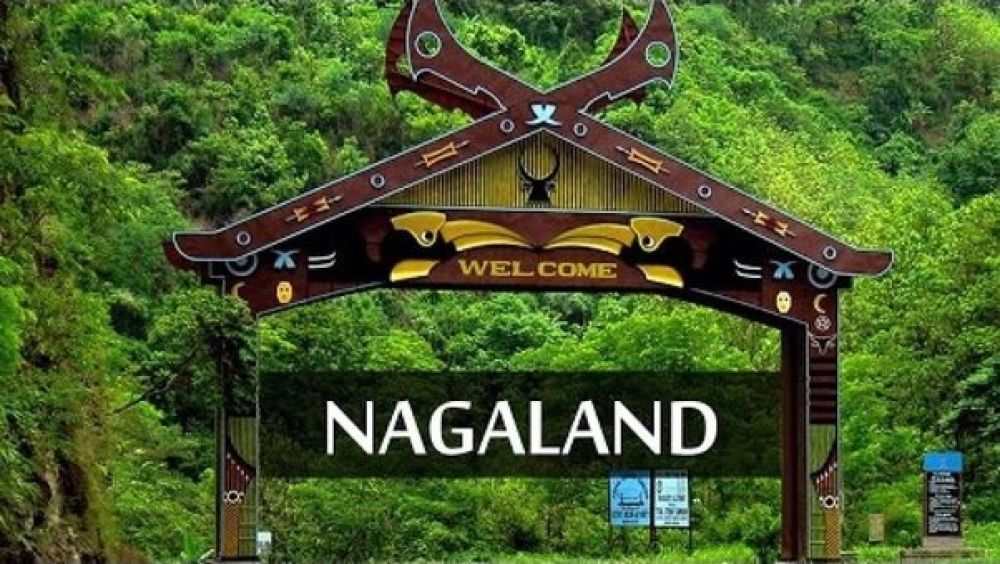
Nagaland, an emerald gem within India’s northeastern frontier, is a place of misty hills filled with ancient villages, traditions alive every morning and markets, and celebrations overflowing with tribal pride. Often ignored by mainstream travellers, this state contains a stunning collage of natural beauty, cultural experiences, and amazing adventures. Here is your complete guide to experiencing Nagaland, which we want you to feel is new, genuine, and alive.
- Immerse Yourself in Tribal Culture at the Hornbill Festival:
One event that captures the essence of Nagaland is the Hornbill Festival. This yearly event is held from December 1-10 in Kisama Heritage Village, near Kohima. This fabulous get-together has all the Naga tribes gathered in one place, wearing their colourful dress, dancing to indigenous music and embracing their cultural heritage. While at the festival, you will experience:
- Performances of a tribal nature, including dancing, singing, and storytelling.
- Traditional games such as archery and Naga wrestling.
- Art and souvenir stalls selling wooden carvings, textiles and handmade / crafted jewellery.
- Live music, which includes the well-known Hornbill Rock Concert.
- Food fairs feasting on local dishes such as smoked pork with bamboo shoots.
As one traveler raved:
“Hornbill festival … it was the most memorable time of my life … a very colourful festival … cultural, music and arts.”
Comfy Rides for Smooth Journey
- Trek Through the Jaw-Dropping Dzukou Valley & Conquer Japfü Peak:
Dzukou Valley is a sensory blessing for hikers, trekkers and nature lovers. Typically referred to as the “Valley of Flowers,” Dzukou emerges during the monsoon months (June–September) into pink and white lilies blanketing the clean emerald slopes.
A neighbour to Dzukou Valley, Mount Japfü rises ludicrously at 3,048 meters high, boasting an altitude and with no shortage of amazing anecdotes, including a Guinness World Records-holding rhododendron tree.
Its summit, while at the top, gives trekkers breathtaking views; and in winter, wandering the slopes is like enjoying your very own piece of Nagaland under an armful of snow.
Travelers’ advice:
“I have trekked Dzukou and it is one of the best experiences … Next time, I plan to visit during the Hornbill festival.
- Step Into Timeless Peace at Longwa Village:
For a supremely quirky experience, try Longwa Village on the India, India-Myanmar border, located in the Mon district. One traditional house is located in two countries, representing the two sides of culture. What will you do not long after arriving is meet the tattooed elders of the Konyak tribe, who were once headhunters.
Make sure to stay over a few nights to immerse yourself in the various tribal rhythms of time and experience traditional crafts and a unique experience into history, living and breathing.
- Explore Heritage and Harmony in Kohima & Khonoma:
- Kohima: Nagaland’s capital, Kohima (once Kewhira), lies in the misty hills. A place of beauty, it is very much alive. Access to Dzukou Valley and Japfü Peak and the Kohima Night Market naturally draw you into the nightfilled with locals eating, laughing, and shopping. Your familiar companion along the way will be the mist.
- Khonoma: About 20 km from Kohima is Khonoma Village, India’s first “Green Village.” Decades ago, the Angami Naga people banned hunting and were able to restore the natural habitat while establishing sustainable ecotourism.
- Mopungchuket is another idyllic little village where legends fly, including Jina and Etiben (the local Romeo-Juliet), amphitheatres, museums, nature trails, and a time‑pillar representing tradition and memory.
- Seek Serenity at Shilloi Lake & Pulie Badze Sanctuary:
Shilloi Lake is located in Phek’s Meluri District and is the largest natural lake in Nagaland, surrounded by pine forests, and carries a semi-quiet mysteriousness here.
Pulie Badze Wildlife Sanctuary is a small wildlife sanctuary (9.23 km2) near Kohima that takes its name from its peak (2,296 m). It provides a home for unusual birds like the state bird, Blyth’s Tragopan, walking trails and camping.
- Trek to Saramati Peak & Mount Pauna- The Heights of Nagaland:
For the intrepid, the mighty Saramati Peak (3,826 m) is a prominent state peak and one of the higher elevations in Southeast Asia.
Near the village of Benreu, meander through areas well populated with rare rhododendrons and orchids, enjoy panoramic views over vast landscapes with wildlife, pristine springs and unusually shaped rocks, especially near tick-tocking Mount Pauna, which is only a couple of kilometres away.
- Relive Tradition at Kisama Heritage Village:
Kisama, situated near Kohima via NH2, is a cultural initiation into Naga identity and re-creates previous traditional morungs (men’s communal homes), shows tribal dances, and provides the cultural epicentre for Naga identity during the famed Hornbill Festival.
- Wander Through Urban Greens- Sakhrie Park in Kohima:
Sakhrie Park is an urban green space nestled away beside a building, a vibrant public park that was a garbage dump until refurbished in 2016 is in Kohima. It has a cafe, candy shop, kids’ playground area, multipurpose hall, and seating area, making it a lush space, an unexpected breath of fresh air here.
- Capture Local Flavour at Markets & Night Bazaars:
Markets in Nagaland are not simply places to shop, but they also offer amazing cultural experiences. The Hong Kong Market near Kohima engages in lively nighttime commerce and artisan goods.
Similarly, the Kohima Night Market is a place where people come together, enjoy street food, and conduct casual evening business, a community experience blended with shopping experiences.
- Delight Your Palate with Naga Cuisine:
Nagaland’s food culture is brash, spicy, and distinctly memorable. Expect dishes such as smoked pork with akhuni (fermented soya beans), super spicy naga chilli sauces, rice beer, snails, bamboo-steamed fish, and desserts such as koat pitha made of bananas, rice flour, and jaggery.
Comfy Rides for Smooth Journey
- Travel Tips & Seasonal Insights:
Best Time to Visit: Ideal between October and May, with good weather and festival activities. The monsoon is between June–September, has beautiful scenery, but may make road conditions more difficult.
Safety: Many travellers reiterate that Nagaland is peaceful and with warm and welcoming locals:
It’s completely safe…. peaceful, nature around, clean air, …”
Inner Line Permit: Important, everyone travelling to Nagaland is required to apply for and get an Inner Line Permit before they make travel arrangements.
A Detailed Itinerary:
Day 1: Arrival in Dimapur: Transfer to Kohima & Local Exploration
As soon as you land in Dimapur, the entry point to the state, your adventure in Nagaland will begin. Take a 3-4 hour picturesque drive from Dimapur to Kohima, the hilly capital of Nagaland. Once you check in to your accommodation, the evening is yours to explore the town at your leisure. I would recommend browsing the Kohima Night Market to enjoy some food stands, handicrafts, and the friendliness of some locals! Sample some of the street food, buy a few handmade souvenirs, and let the moment absorb the essence of the state.
Day 2: Kisama Heritage Village & Cultural Immersion:
Begin your day by visiting Kisama Heritage Village (12 km from Kohima), the cultural heart of Nagaland, especially if you are there during the Hornbill Festival in December, when life in Nagaland beats very loudly! At the village, you can meander through traditional tribal huts (morungs), watch/participate in live craft demonstrations, and witness cultural exhibitions presenting the music, dress, and dances of the various tribes that comprise Nagaland. Have a moment to visit the local museum, and feed your appetite for some traditional Naga cuisine at some food stalls. This experience will offer you a treat to the visual eye and appreciation for the people as you learn about the 16 major tribes that comprise Nagaland.
Day 3: Trek to Dzukou Valley or Conquer Japfü Peak:
Today is meant for exploring and experiencing nature firsthand. You can either trek one of two famed treks:
For a mildly toned-down trek that’s picturesque, hike to Dzukou Valley, known as the “Valley of Flowers of the Northeast.” The trail leads you through bamboo, hilly landscapes, and ends in a spectacular plateau of seasonal wildflowers.
Or, if you’re eager to lug your packs up for a steep challenge, trek Mount Japfü, the second-highest peak in Nagaland. At over 3,000 metres, summit views and the tallest rhododendron tree await at the summit.
Both treks are best started early and can be completed within a day with proper planning.
Day 4: Khonoma or Mopungchuket- Village Tourism & Ecological Insight
Take a day trip to experience rural Nagaland, where tradition and sustainability live in harmony.
Khonoma Village (20km from Kohima) is India’s first Green Village, with its commitment to natural resource management and verdant terraced hills. Explore the village trails to see the fort, find locals to act as guides, to help the visitor understand how the Angami tribe shares a way of life and ecosystem based on natural cycles.
Alternatively, further east, Mopungchuket Village is rich with Ao Naga legends, tidy streets, cultural museums and peaceful viewpoints on a longer drive from Mokokchung.
This day allows you to witness how Nagaland’s rural communities live in harmony with nature and honour their ancestry.
Day 5: Shilloi Lake & Pulie Badze Sanctuary- Scenic Beauty & Wildlife:
Set out on an early drive for a peaceful journey to Shilloi Lake, the largest natural lake in Nagaland, found in the Phek district. The lake is shaped like a footprint, is located amid forested hills, and is shrouded in cultural history and natural splendour. After enjoying the lake’s tranquil vibes, you will make your way back to Kohima while making a stop at the Pulie Badze Wildlife Sanctuary. This sanctuary is ideal for bird watchers and allows for both a casual walk and a nature hike, with knowledge of it being home to Blyth’s Tragopan, and a 180-degree view from the Pulie Badze Peak. The day’s activities are quintessential Nagaland, combining quietness and peace, with nature and wildlife experiences.
Day 6: Adventure to Saramati Peak or Mount Pauna:
Get ready for one of the most exciting parts of your adventure by hiking Saramati Peak, the highest point in Nagaland (3,826 meters), near Kiphire. The day trip involves two aspects of travel that are off the beaten path and an overnight trek (although optional), since you would rather be a little off the grid, looking for adventure and the rural Himalayan Landscape. If time is tight, or you prefer a shorter hike, Mount Pauna near Benreu Village would be a good substitute for appropriate views and a chance to meet members of the Zeliang tribe; either way, you are in for a close and direct experience with nature and an accomplishment.
Day 7: Wind Down- Sakhrie Park, Local Markets & Departure:
Your last day in Nagaland can be simple and restorative. Start with a peaceful morning walk in Sakhrie Park (located in Kohima), a well-kept green area with a café, trails, and a view of town. Then shop for some last-minute items in Hong Kong or Central Market, perfect for purchasing Naga shawls, bamboo crafts, and smoked food. Before you travel back to Dimapur to return home, have one last meal of spicy pork and bamboo shoot, sticky rice, or fried silkworms. Naga food really is something you’ll never forget.
Why Nagaland Feels Uniquely Alive?
Nagaland is not simply about landscapes and trails; it is about the sound of drums celebrating a festivity, the emerging ceremonial costumes of tribeswomen, the waft of local food, the unexpected delight of warmth in a corner of a village, and the spellbinding, swelling contour of the lake and valley. In this colourful, culturally alive corner of the world, tradition and ecological vision co-exist. Khonoma is a green revolution, Mopungchuket has a narrative dictated by coexistence with time, and Longwa has a narrative dictated by being located at the crossroads of borders. Each area in its own way has gifted narrations of ancient culture into the 21st century.
The treks to Dzukou or Japfü immerse you in tranquillity during flowering abundance. The celebrations at festivals like the Hornbill Festival bring adrenaline and joy. The sights at the village visits provide world‑building experiences, while the lakes and sanctuaries provide the opportunity to relax and recharge. Nagaland does not simply welcome you, it invites you to participate in a living, breathing tapestry of ancestral resilience and unspoiled splendour.
Nagaland is for the traveller who is curious to discover a world of misty mountaintops, the sounds and movements of tribal dances, the tastes and enjoyment of fermented rice, and the experience of time spent walking the paths in a village. Whether you are seeking thrills and adrenaline, insight and knowledge, stillness and peace, or culture and depth, this unlikely jewel of India in the northeastern part does not simply provide these, but they linger on long after you return home.