






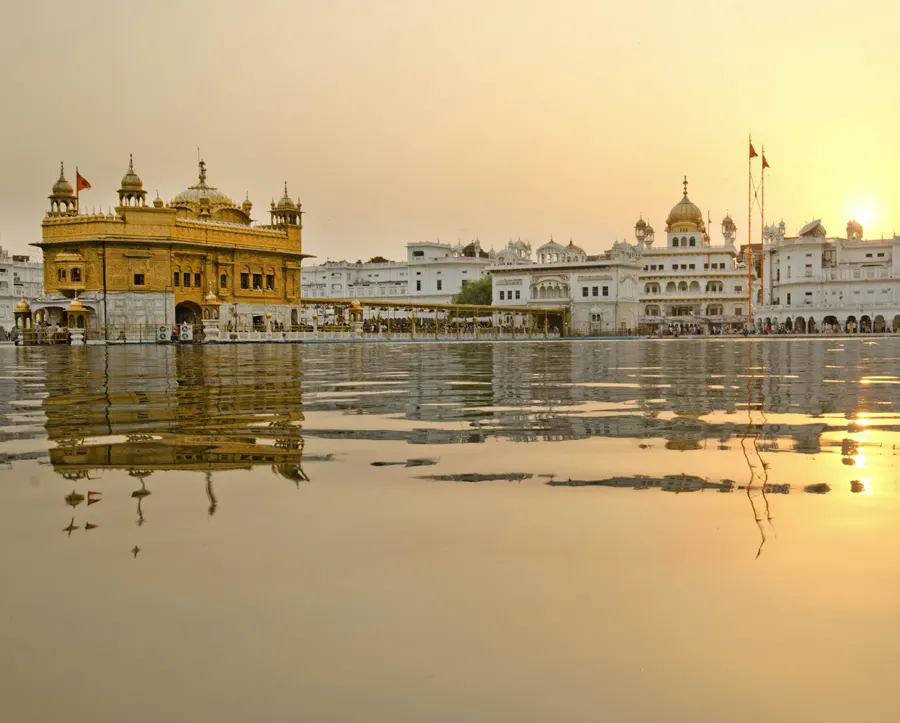
The Golden Temple, also known as Sri Harmandir Sahib, is a symbol of eternal devotion, architectural magnificence, and spiritual harmony in the city of Amritsar. With millions of visitors each year, this well-known Sikh temple is more than just a place of worship; it is a haven of peace that cuts over all ethnic and spiritual divides. Amidst the glistening waters of the Amrit Sarovar (Pool of Nectar), the temple’s opulent golden exterior produces a fascinating spectacle that captivates both tourists and believers.
With its roots in Sikh ideals of equality and selfless devotion, the Golden Temple provides each visitor with a rewarding experience. The entire structure of this sacred place exemplifies openness and harmony, from the soothing sounds of the community cooking (Langar) to the lovely hymns (Gurbani) that fill the air. The Langar exemplifies Seva (selfless service) by providing free meals to everyone, irrespective of background, caste, or religion.
Amritsar itself is a historical, cultural, and hospitable place. A visit to the Golden Temple provides an opportunity to observe the great dedication and sense of community that permeate the shrine as well as a broader understanding of Sikhism. A visit to this spiritual sanctuary is a voyage of the soul, whether you are stunned by the temple’s elaborate construction during the day or its glowing reflection at night. Allow this guide to walk you through all you need to know to have a memorable trip to Amritsar and the Golden Temple.
How to Get to Amritsar?
Amritsar is well-connected to major cities in India, making it accessible by road, train, air, and bus. Here’s how you can reach this vibrant city:
1. By Road:
Amritsar is accessible by a network of well-maintained highways:
- Driving Your Own Car: If you’re driving from Delhi, it’s about a 6-7 hour journey (450 km) via NH-44. The road is smooth, with plenty of dhabas for pit stops.
- Cab Services: Several cab services operate between nearby cities like Chandigarh, Jalandhar, and Ludhiana. ECO Mobility offers chauffeur-driven luxury cars for a comfortable and hassle-free ride.
2. By Train:
Amritsar Junction is a major railway station with excellent connectivity:
- From Delhi: Shatabdi Express and Vande Bharat Express are two popular options for a quick 6-hour journey.
- From Mumbai and Kolkata: Long-distance trains like the Golden Temple Mail and Amritsar Express connect the city to these metros.
- Local Trains: Nearby cities like Jalandhar and Ludhiana have frequent trains to Amritsar.
3. By Air:
Sri Guru Ram Dass Jee International Airport in Amritsar is just 11 km from the city center:
- Domestic Flights: Regular flights connect Amritsar to Delhi, Mumbai, and Bangalore.
- International Flights: The airport also serves flights from destinations like Dubai, London, and Singapore.
- Cab Services from Airport: ECO Mobility offers luxury car rentals for pickups and drop-offs.
4. By Bus:
Amritsar is well-connected by state and private buses:
- From Delhi: Volvo and deluxe buses operate frequently, with travel times ranging between 7-9 hours.
- From Nearby Cities: Cities like Chandigarh and Jammu have reliable bus services to Amritsar.
How to Visit the Golden Temple?
Visiting the Golden Temple is a soul-stirring experience. To ensure you make the most of your trip, follow this guide:
1.Understanding Golden Temple Rules for Ladies and General Visitors:
- Dress Code: To preserve the Golden Temple’s sacredness, all visitors must dress modestly. Men should wear a head covering, usually a turban or handkerchief, while women should cover their heads with a scarf or dupatta. Revealing clothing is discouraged as a mark of respect.
- Footwear: Socks and shoes are not permitted inside temple property. Before entering, visitors must take off their shoes and put them in the appropriate places. This ritual ensures the sanctity of the holy site by signifying cleanliness and humility.
- Cleanliness: The Golden Temple places a high priority on cleanliness. Before entering the premises, visitors must wash their hands and feet in specified places. This ceremonial washing is a sign of reverence and readiness to enter a place of worship.
- Photography: Photography inside the main sanctuary is absolutely forbidden, although it is allowed to capture the magnificence of the outside complex. This guarantees a calm and dignified environment for individuals engaged in meditation and prayer.
2. Golden Temple Amritsar Timing:
- Main Sanctum: The Golden Temple stands as a symbol of inclusivity and accessibility, remaining open 24 hours a day, 7 days a week. Pilgrims and visitors can seek solace, pray, and experience the temple’s spiritual ambiance at any time.
- Langar Hall: The community kitchen, or Langar Hall, operates continuously, feeding thousands of visitors daily. Open 24/7, it embodies the Sikh principle of Seva (selfless service), offering free, nourishing meals to all regardless of caste, creed, or religion.
- Best Time to Visit: Early mornings at 4:00 AM, during Amrit Vela, provide a tranquil experience with the melodious recitation of Gurbani. Evenings are equally enchanting, as the temple glows under the golden lights, reflecting beautifully on the Sarovar, creating a magical atmosphere.
3. Step-by-Step Guide to Exploring the Golden Temple:
-
Arrival and Entry: Through four beautifully designed gates, the Golden Temple greets guests, signifying equality and acceptance for everyone. Regardless of caste, creed, or religion, these gates represent the welcomeness of individuals from all walks of life to seek spiritual comfort. Devotees engrossed in prayer as the melodies of Gurbani (devotional chants) fill the temple complex. At the entry points, visitors are expected to show reverence by covering their heads, taking off their shoes, and washing their hands and feet. The calm atmosphere and golden reflection in the holy tank enthrall your senses as soon as you enter the complex.
- Sarovar (Holy Tank): Known as the “Pool of Nectar,” or Amrit Sarovar, it encircles the Golden Temple and is extremely sacred. According to pilgrims, bathing in this hallowed tank cleanses the soul and washes away transgressions. The water, known as Amrit (nectar), is adored and regarded as sacred. A peaceful experience can be had when strolling along the marble walkway that surrounds the Sarovar, while hymns play in the background. The occasion becomes much more sacred when one witnesses followers engrossed in prayer and faith. It is a captivating and spiritually energizing experience to see the temple’s tranquil reflections in the lake.
- Darshani Deori: The main shrine of the Golden Temple is accessed through the magnificent archway known as the Darshani Deori. This magnificent building, adorned with elaborate patterns and gold-plated accents, is very breathtaking. A breathtaking view of the sanctuary in the center of the Sarovar greets you as you pass through. The archway represents a spiritual threshold, beckoning followers to put aside their concerns about the material world and concentrate on the gifts of God. Entering the sanctum is a very miraculous experience because of the solemn ambiance created by the exquisitely crafted artwork and the sacred chanting that reverberates through the arch.
- Main Sanctum: The Golden Temple’s main haven, comprising the famous Guru Granth Sahib, the sacred text of Sikhism, is the complex’s spiritual center. Inside, the sanctum is filled with a sense of devotion and tranquility as devotees listen to the Gurbani being recited continuously. The temple’s architectural magnificence is reflected in the exquisite frescoes and gold leaf work that adorn the interior walls. In order to absorb the spiritual energy, visitors frequently sit silently in meditation or say prayers. Every visitor is profoundly affected by the sanctum’s calm atmosphere and heavenly presence, which cultivates a profound sense of gratitude and peace.
- Langar Hall: The Langar Hall is more than just a dining setup; it is a real-life manifestation of the Sikh values of community, equality, and selfless service. Men, women, and children who are volunteers welcome you as you walk in and work relentlessly to help everyone, regardless of caste, creed, or social standing. The floor seating configuration, which emphasizes equality and humility, is in rows.
The usual meal include chawal (rice), roti (Indian bread), dal (lentils), and kheer (sweet dish). Even though the dinner is straightforward, the passion and attention to detail that go into its preparation heighten its flavor. All of the food is vegetarian and is produced in large amounts with donations. Helping with chores like distributing water, cleaning utensils, or peeling vegetables is welcome from all guests. This activity promotes solidarity and a sense of belonging.
Many guests are moved to provide money or their time to assist the langar before they depart. It demonstrates the value of teamwork and the Sikh values of service. Many people still consider this to be the high point of their trip, giving them a deep understanding of the Golden Temple’s philosophy.
Golden Temple Langar Timings:
The langar at the Golden Temple is a marvel of community service, feeding thousands of devotees daily:
- Timings: Operates 24 hours a day, ensuring no one leaves the temple hungry.
- Experience: Sit on the floor in rows and enjoy a wholesome meal of dal, roti, rice, and kheer.
- Volunteer: Visitors are encouraged to help in cooking, cleaning, or serving meals.
Tips for a Memorable Visit:
- Plan Ahead: Weekends and holidays can be crowded, so plan an early morning or late-night visit.
- Respect Traditions: Follow all temple rules and maintain decorum.
- Stay Hydrated: Carry a water bottle, especially during summer months.
- Book Accommodations Early: Hotels near the Golden Temple get booked quickly. Choose from luxury options or budget stays nearby.
- Explore Local Cuisine: Don’t miss Amritsari kulchas and lassi at nearby eateries.
Places to Visit Near the Golden Temple:
Amritsar offers a plethora of attractions near the Golden Temple, making it a complete travel destination:
1. Jallianwala Bagh: Jallianwala Bagh, which lies close to the Golden Temple, is a location that reverberates strongly with the sounds of India’s struggle for independence. This historical garden honors the terrible murder that took place on April 13, 1919, when hundreds of unarmed civilians were killed when General Dyer ordered open fire on a peaceful gathering. There is a noticeable silence as you make your way through the garden’s small entrance.
In honor of the martyrs, the memorial is adorned with an eternal flame. Haunting remnants of the incident include bullet-marked walls and the intact well where individuals dove to escape the onslaught. Artifacts, letters, and photographs that tell the tragic story of that terrible day are on display at a tiny museum on the site. Tourists are urged to stop, think, and honor those who died during one of the most important periods of India’s independence movement. Every visitor to Jallianwala Bagh is left with a lasting impression from their emotional and historical visit.
2. Partition Museum: The partition Museum, located in Amritsar’s ancient Town Hall, provides an immersive experience of the 1947 split, one of the most significant moments in Indian history. The hardships, tenacity, and sacrifices of the millions of people who were uprooted during the formation of India and Pakistan are captured in this museum, which is a veritable gold mine of recollections. A wide variety of personal items, newspaper clippings, letters, and photographs can be seen in the galleries. Survivors’ oral accounts give the horrific stories of migration and separation a profoundly personal touch.
One of the most striking exhibits is the “Tree of Hope,” adorned with messages from visitors, symbolizing reconciliation and peace. Additionally, the museum features multimedia projections and digital installations that bring history to life. A visit here provides a clearer understanding of the socio-political upheavals that molded modern South Asia and is both sad and fascinating. History buffs and anyone wishing to understand the emotional effects of the division should definitely go.
3. Durgiana Temple: Revered as one of the most significant Hindu shrines in Amritsar, the Durgiana Temple, often referred to as the “Silver Temple,” is an architectural gem. Its name derives from its silver-plated doors, which add to its majestic aura. Dedicated to Goddess Durga, this temple bears a striking resemblance to the Golden Temple, with its central sanctum surrounded by a water tank. Apart from Durga, the temple also houses idols of Lord Vishnu and Lord Krishna, making it a spiritual haven for devotees.
Particularly in the mornings and nights, the tranquil atmosphere and magnificent reflection of the temple in the lake produce an enthralling sight. The temple is also well-known for its cultural significance and enthusiastically celebrates holidays like Navratri. The Durgiana Temple, which is about 1.5 kilometers from the Golden Temple, offers a singular viewpoint on Amritsar’s rich religious legacy while combining spirituality with architectural genius.
4. Wagah Border: About 30 kilometers from Amritsar, the Wagah Border is a site where patriotism has no limits. This Indian-Pakistani border crossing, which is well-known for the daily Beating Retreat ceremony, is transformed into a vibrant arena each evening. On both sides, crowds assemble to watch the national flags being lowered and the military drill being displayed in unison. An exciting event, the ceremony is characterized by intense performances, raucous nationalistic applause, and a sense of competition.
The show is enhanced by the impressive synchronization of soldiers from both nations. The Wagah Border ceremony is a celebration of solidarity and patriotism, not merely a display. To secure a seat and observe the event up close, arrive early. Every Indian’s heart swells with pride as the atmosphere is packed with passion. The Wagah Border is a must-see location close to Amritsar for anyone wishing to mix tourism with a sense of patriotism and emotion.
5. Hall Bazaar: A visit to Amritsar wouldn’t be complete without taking in the lively Hall Bazaar, a shopping haven that combines modern and traditional elements. A short drive from the Golden Temple, this lively marketplace is a veritable gold mine of genuine Punjabi items and souvenirs. Shoppers can purchase exquisitely made juttis, a type of traditional footwear that honors the state’s rich history. Intricately embroidered Phulkari dupattas are a popular choice for travelers seeking out distinctive apparel.
The market is particularly well-known for its assortment of pickles and spices, which are ideal presents for foodies. With several stalls offering regional specialties like Amritsari kulchas and lassi, Hall Bazaar is a culinary joy in addition to being a place to buy. A touch of antiquity is added to the shopping experience by the arched doorway at the market’s entrance, which is engraved with Mughal-style motifs. Whether you are searching for food, fashion, or souvenirs, Hall Bazaar is a lively place that perfectly embodies Amritsar.
Read More: Top Reasons to Rent a Car For your Family Trip
Traveling to the Golden Temple and the energetic city of Amritsar is a spiritually transforming experience that transcends faith, culture, and location. A deep sense of peace and oneness is evoked by the spiritual tranquility of Sri Harmandir Sahib, whose golden facade is reflected in the Amrit Sarovar. This holy shrine becomes a representation of mankind at its finest when combined with the Langer’s altruistic service and inclusivity.
Beyond the Golden Temple, Amritsar has a lot to offer in terms of history and culture. Every area of the city tells a story of tenacity and pride, from the moving tales at Jallianwala Bagh to the vibrant patriotism at the Wagah Border. A place that leaves a lasting impression, Amritsar is made complete by its vibrant bazaars, delicious Amritsari food, and friendly locals.
You’re prepared to explore Amritsar’s spiritual, historical, and cultural riches now that you have this guide. Get ready for an adventure that will hopefully inspire, enrich, and leave you with priceless memories of one of India’s most famous locations.