






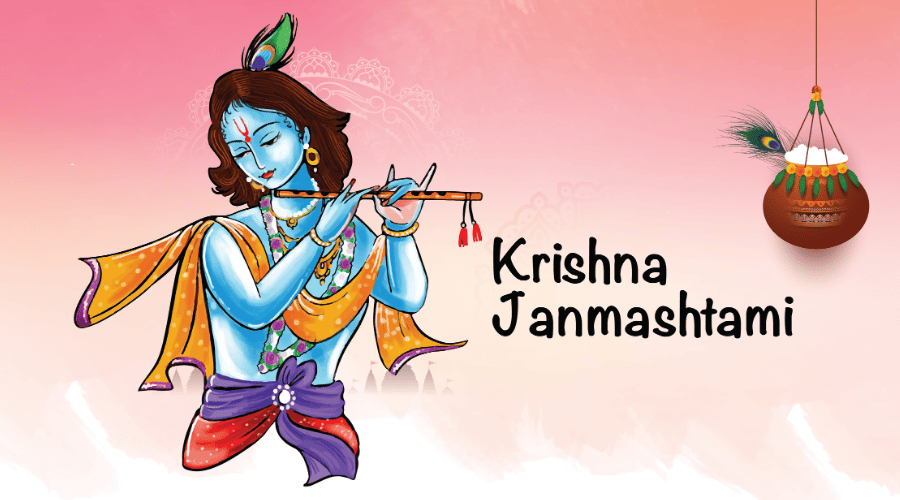
Janmashtami, the festival celebrating the birth of Lord Krishna, ranks among the most admired and celebrated occasions in India. This auspicious occasion carries great spiritual weight for the Hindus; hence, it is honored with much excitement, devotion, and reverence across the country. Lord Krishna, considered the eighth incarnation of Lord Vishnu, represents love, joy, and divine wisdom, and his birth is looked upon not only as a historical event but as an affliction of his Divine presence in the living world.
Usually, the festival randomly falls sometime during August or September, depending on the lunar calendar. The Day of Janmashtami celebrations lasts for two days, with the first day solely for fasting, prayers, and chanting devotional songs, while the second day is splattered with grandeur, feasts, and cultural programs. Janmashtami is celebrated unitedly all over India, but places such as Mathura, Vrindavan, Dwarka, Mumbai, and ISKCON temples all over the country are famed for their grand celebrations. Let us explore the varied manner of Janmashtami celebrations in those sacred cities.
Mathura: The Birthplace of Lord Krishna-
Mathura, a city located in the northern state of Uttar Pradesh, is considered the birthplace of Lord Krishna. It holds a special place in the hearts of millions of devotees who visit this holy town to celebrate Janmashtami with great reverence. According to Hindu mythology, Lord Krishna was born to Devaki and Vasudeva in the prison cell of Mathura, and it was here that he performed several miraculous acts as a child.
Celebrations in Mathura:
The Janmashtami celebrations in Mathura begin early in the morning with the “Mangala Aarti” at the Krishna Janmabhoomi Temple, which marks the spot where Lord Krishna was born. The temple is beautifully decorated with flowers, lights, and garlands, and the air is filled with the sweet sound of devotional songs and chanting. Thousands of devotees gather to offer their prayers, seeking blessings from Lord Krishna.
The day-long festivities include a variety of activities, such as the “Rasa Lila,” which are theatrical performances depicting the divine pastimes of Lord Krishna. These performances showcase the playful interactions between Krishna and his devotees, especially the gopis (milkmaids) of Vrindavan. The Rasa Lila is performed at various ghats and temples around the city, with participants dressed in colourful costumes, enacting the love and devotion that Lord Krishna shared with his devotees.
As night falls, the city enters a phase of spiritual ecstasy. The “Dahi Handi” celebration is one of the most anticipated events during Janmashtami in Mathura. Inspired by the mischievous childhood antics of Krishna, who loved Vrindavan, it is perhaps the most vibrant and spiritually intense place to celebrate Janmashtami. The town’s devotion to Lord Krishna is palpable, and during Janmashtami, it is a haven for thousands of pilgrims and devotees who come to immerse themselves in the divine atmosphere.
Vrindavan: The Abode of Divine Love-
Vrindavan, a small town situated just a few kilometres from Mathura, is another sacred city deeply associated with Lord Krishna. It is believed that Lord Krishna spent his childhood in Vrindavan, engaging in divine pastimes and spreading love and joy among his devotees. The town is filled with numerous temples, ghats, and sacred spots that are central to Krishna’s life and teachings.
Celebrations in Vrindavan-
The celebrations in Vrindavan begin with the “Mangala Aarti” at the famous Banke Bihari Temple. This temple, one of the most revered shrines dedicated to Lord Krishna, draws large crowds of devotees who sing bhajans (devotional songs) and participate in the morning aarti. The temple is decorated beautifully with flowers and lights, and the air is filled with the fragrance of incense and the sound of bells.
Throughout the day, various temples in Vrindavan organise “Rasa Lila” performances. These performances are reenactments of the divine pastimes of Lord Krishna, especially his dances with the gopis. These events are filled with devotional music, vibrant costumes, and dances that bring the stories of Lord Krishna to life. The performances are deeply moving and connect devotees to the spiritual essence of Krishna’s divine love.
In the evening, the streets of Vrindavan come alive with a magical atmosphere. Devotees light thousands of diyas (small oil lamps), creating a mesmerising sight as they line the roads, ghats, and temples. The night is filled with kirtans (chanting of Krishna’s names) and bhajans, with devotees singing and dancing in a state of ecstatic devotion. Many devotees also visit the numerous temples scattered across Vrindavan, including the famous Radha Vallabh Temple, the ISKCON Vrindavan Temple, and the Prem Mandir.
Due to steal butter and curd, young men form human pyramids to break a pot filled with curd (dahi). This event symbolises the playful and joyful nature of Krishna’s early life and draws large crowds from all over India and beyond.
How to Reach Mathura and Vrindavan?
Mathura and Vrindavan are easily accessible from various parts of India.
- By Air: The nearest major airport to Mathura and Vrindavan is the Indira Gandhi International Airport in Delhi, about 150 kilometres away. From the airport, travellers can hire a taxi or take a bus to reach Mathura and Vrindavan.
- By Train: Mathura Junction is a well-connected railway station, with trains running to and from major cities like Delhi, Agra, and Jaipur. From Mathura, Vrindavan is a short drive away, making the two cities easy to explore in one trip.
- By Road: Mathura and Vrindavan are well connected by road. If travelling from Delhi or Agra, you can hire a car for Delhi to Mathura from ECO Mobility or take buses to reach these holy towns. The road journey is scenic, with the landscape dotted with temples and lush greenery.
Janmashtami Celebrations in Other Parts of India:
Dwarka: The Kingdom of Krishna
Dwarka, located in the western state of Gujarat, is the city where Lord Krishna established his kingdom after leaving Mathura. It is a city of immense spiritual importance, and its connection to Lord Krishna is profound. According to Hindu mythology, Dwarka was a majestic city that was submerged in the sea after Krishna departed from the world. Still, it remains a central place of pilgrimage for devotees.
Celebrations in Dwarka:
In Dwarka, Janmashtami is celebrated with grandeur and devotion. The Dwarkadhish Temple, dedicated to Lord Krishna, is the main focal point for the festivities. This temple is one of the Char Dham pilgrimage sites and is revered by millions of devotees. The temple is beautifully decorated for the occasion, and special prayers and rituals are conducted throughout the day.
The evening in Dwarka is marked by performances of “Rasa Lila” and “Krishna Leela” plays, depicting the divine acts of Krishna. The entire city is lit up with decorations, and processions are held, with devotees carrying flags and singing devotional songs. The celebrations are steeped in the teachings and miracles of Lord Krishna, making it a spiritually enriching experience.
ISKCON Temples Across India:
The International Society for Krishna Consciousness (ISKCON) has established temples dedicated to Lord Krishna in various parts of India. These temples are known for their grand celebrations of Janmashtami and play an important role in spreading the teachings of Lord Krishna and promoting spiritual awareness.
Celebrations at ISKCON Temples:
ISKCON temples, such as the ones in Delhi, Bangalore, Chennai, and Kolkata, celebrate Janmashtami with great fervour. The day begins with the “Mangala Aarti” at dawn, followed by special prayers and offerings. Devotees participate in kirtans, where they chant the holy names of Krishna, immersing themselves in devotional ecstasy.
In the evening, a grand “Abhishek” ceremony is held, where the deity of Lord Krishna is bathed with milk, honey, and other auspicious substances. The temple is beautifully illuminated, and special cultural programs, including dance, music, and drama, are organised to narrate the life of Lord Krishna. The ISKCON temples also organise “Janmashtami Mahotsav,” where devotees engage in a series of rituals, including the decoration of Krishna’s idols, offering fruits and flowers, and participating in the midnight aarti.
ISKCON’s Janmashtami celebrations attract a diverse audience, including people of all ages and backgrounds, and offer a spiritual experience that unites devotees in a common love for Lord Krishna.
Mumbai: The Dahi Handi Festival:
Mumbai, the bustling metropolis of India, celebrates Janmashtami in a unique and exhilarating way. One of the most anticipated events during Janmashtami in Mumbai is the “Dahi Handi” festival. This festival, held on the day after Janmashtami, is inspired by Krishna’s love for butter and curd. It involves teams of young men forming human pyramids to reach a pot filled with curd (dahi) that is hung at a height.
Celebrations in Mumbai:
The Dahi Handi festival in Mumbai is one of the most exciting and visually captivating aspects of Janmashtami celebrations in India. Thousands of “Govindas,” as the participants are called, gather in different parts of the city to form human pyramids and attempt to break the Dahi Handi. This event is a display of strength, teamwork, and devotion, as the Govindas work together to break the pot, symbolising Krishna’s playful nature and his love for butter.
The streets of Mumbai are filled with enthusiasm and energy, as people cheer for the Govindas, and local politicians and celebrities participate in the event as well. The festival is also a community affair, with neighbourhoods competing to break the most pots and create the tallest human pyramids. The spirit of competition and camaraderie fills the air, making it a fun and thrilling celebration.
The Mumbai government takes safety precautions for the participants by providing insurance coverage and organising safety measures, ensuring that the event remains a joyous occasion without any accidents.
Janmashtami is more than just a religious festival; it is a time for devotion, reflection, and celebration of the divine presence of Lord Krishna. Whether it is the grandeur of Mathura and Vrindavan, the exciting Dahi Handi festival in Mumbai, or the spiritual ambience of Dwarka and the ISKCON temples, Janmashtami brings people together in celebration and devotion.
If you are planning to experience the magic of Janmashtami in India, make sure to visit these sacred cities, each offering a unique perspective on the divine life of Lord Krishna. Whether you are drawn by the spirituality, the culture, or the sense of community, Janmashtami promises an unforgettable journey through India’s rich spiritual heritage.