






Kashi Vishwanath Temple, situated in the spiritual heart of India, Varanasi, is one of the most revered Hindu temples dedicated to Lord Shiva. Standing tall on the western banks of the holy Ganga River, this sacred shrine draws millions of devotees and visitors every year. It is believed that a visit to this temple leads to moksha, or liberation from the cycle of birth and rebirth. With a deep connection to Indian mythology and centuries of history marked by destruction and renewal, the temple represents unshakable faith. Whether you’re a faithful follower or a curious traveller, the divine presence felt here is unlike any other. This guide explores the temple’s rich legacy, religious importance, daily rituals, architectural beauty, and practical visitor information to help you appreciate its role in India’s spiritual and cultural diversity.
History and Significance of the Kashi Vishwanath Temple:
The Kashi Vishwanath Temple in Varanasi is one of the most sacred and celebrated temples dedicated to Lord Shiva, not only in India but across the globe. Located on the western bank of the holy River Ganga, this ancient temple is deeply preserved in the heart of Hindu belief and cultural spirituality. To understand its significance, one must immerse oneself in the history and mythology that surround it.
Kashi, the ancient name for Varanasi, is believed to be the oldest continuously inhabited city in the world. It has been a living center of spiritual knowledge and devotion for over 3,000 years. The city has been referred to in sacred scriptures like the Rigveda, Skanda Purana, and the Mahabharata, all of which mention Kashi as the ‘City of Light.’ At the epicenter of this light stands the Kashi Vishwanath Temple, dedicated to Vishwanath, or “Lord of the Universe,” a revered form of Lord Shiva.
The temple’s legacy stretches back centuries. According to Hindu mythology, Kashi was created by Lord Shiva himself. He declared it his favorite place and said that whoever lived or died in Kashi would attain moksha, or liberation from the cycle of life and death. The sanctity of the city and the temple is such that even a mere glimpse of the Jyotirlinga housed in the temple is said to purify one’s soul.
Historically, the temple has witnessed invasions, demolitions, and rebirths. The original temple was destroyed multiple times by Mughal rulers, including Qutb-ud-din Aibak and Aurangzeb. The current structure was built in 1780 by the indomitable Maratha queen Ahilyabai Holkar of Indore. Despite being razed repeatedly, the unshakable devotion of Hindus ensured its reconstruction each time, symbolizing the resilience of faith.
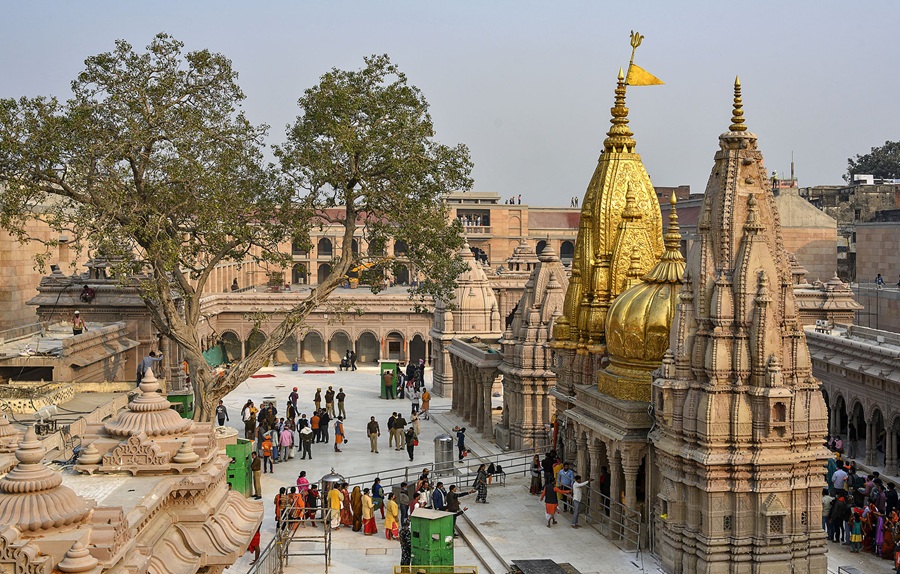
Over the years, rulers like Maharaja Ranjit Singh of Punjab contributed to the temple’s grandeur by donating 1,000 kg of gold to cap the temple spire and dome, which continues to glitter above the skyline of Varanasi. The temple complex today includes many smaller shrines, and its pathways are lined with vibrant shops selling religious items, sweets, and flowers.
This temple is also one of the 12 Jyotirlingas, the holiest of Shiva shrines, which makes it a cornerstone of Shaivite worship. Pilgrims from all over the country come here to offer prayers, participate in rituals, and feel the divine energy that infuses the place. Whether it is through the chanting of mantras, the ringing of bells, or the fragrance of incense, the temple seems to breathe life into spiritual yearning.
Spiritual leaders such as Adi Shankaracharya, Swami Vivekananda, and Guru Nanak Dev are known to have visited this site. Even national freedom fighters and rulers, including Rani Lakshmibai and Mahatma Gandhi, recognized the temple’s place in the cultural ethos of India. Thus, the Kashi Vishwanath Temple is not just a religious monument, but a living embodiment of devotion, resilience, and national pride.
Architecture and Design of the Kashi Vishwanath Temple:
The architecture of the Kashi Vishwanath Temple is an outstanding representation of North Indian temple design, specifically the Nagara style. The temple complex is composed of a main shrine and several smaller temples situated in narrow lanes that are eternally filled with pilgrims and shopkeepers.
The main temple features a central spire (Shikhara) that rises above the shrine, housing the sacred Jyotirlinga. This spire, gilded with pure gold donated by Maharaja Ranjit Singh, catches the sunlight and shimmers, lending a celestial aura to the temple. The dome and spire collectively weigh nearly a ton, symbolizing both grandeur and spiritual sovereignty.
As devotees step into the temple, they encounter a world completely transformed. The atmosphere is filled with rhythmic chants of “Har Har Mahadev,” the sound of conch shells and temple bells, and the warm glow of oil lamps flickering in the sanctum. Every architectural element here is infused with symbolic meaning.
The shrine, which houses the Shiva Lingam, is relatively small, underscoring the intimate and personal connection between the deity and the devotee. Unlike many other temples that emphasize magnificence, the Kashi Vishwanath Temple emphasizes accessibility and spiritual presence. The lingam is placed in a silver altar and is said to emit a vibrational energy that many claim they can feel physically.
Around the main shrine are other smaller temples dedicated to various deities such as Annapurna, Vishnu, and Kal Bhairav, Shiva’s fierce form. Each of these shrines is steeped in its legends and holds significance for different sects of devotees. The Annapurna temple, in particular, highlights the divine feminine and is often visited in conjunction with the Vishwanath temple.
The newly developed Kashi Vishwanath Corridor has dramatically transformed the accessibility and aesthetics of the temple. The corridor connects the temple directly with the ghats on the River Ganga. It includes wide pedestrian paths, modern amenities, and multiple entry points to streamline pilgrim movement while preserving the sanctity and historical value of the site.
Despite the changes and additions over centuries, the temple’s original spiritual geometry remains intact. Its location, orientation, and internal layout follow ancient Vastu Shastra principles, believed to harmonize cosmic energy and spiritual flow. It’s not just a place to see but a place to feel, a temple where architecture speaks the language of divinity.
Religious Rituals and Festivals at Kashi Vishwanath Temple:
Rituals at Kashi Vishwanath Temple begin at the break of dawn and continue late into the night. These rituals are performed with such dedication and precision that one feels they are part of an eternal divine cycle. Each day in the temple starts with the Mangala Aarti and ends with the Shayan Aarti, encompassing five major rituals in total.
The Mangala Aarti, conducted from 3 AM to 4 AM, is the first ritual of the day. It is said that Lord Shiva is in his most benevolent form during these early hours. Only a limited number of devotees are allowed to participate, and one needs to obtain a special pass in advance. As the priests chant Vedic hymns and offer lamps and flowers, the entire temple resonates with spiritual energy.
Following this, the Bhog Aarti takes place, where food offerings are made to the deity. Devotees then get the opportunity for general darshan. During the Shringar Aarti in the evening, Lord Shiva is adorned with flowers, sandalwood paste, and ornaments. It’s an elaborate affair where the idol is beautified as if being readied for an auspicious celebration.
The Sandhya Aarti, performed at sunset, signifies the transition from day to night and is one of the most visually stunning rituals. Finally, the Shayan Aarti marks the conclusion of the day, where the deity is ceremonially put to rest.
Special rituals such as Rudrabhishek and Mahamrityunjaya Jaap are also conducted regularly. These rituals involve bathing the lingam with sacred substances like milk, honey, ghee, and water from the Ganges while chanting powerful mantras. They are believed to remove obstacles, cure diseases, and bring peace and prosperity.
The temple is a hub of activity during festivals, the most significant being Maha Shivaratri. This night-long celebration draws lakhs of devotees who observe fasts, chant mantras, and stay awake through the night in devotion. The entire temple is adorned with flowers and lights, creating a vibrant, festive atmosphere.
Other notable festivals include Kartik Purnima, Dev Deepawali, and Shravan Maas. Devotees also observe unique rituals during the month of Sawan, where Monday fasts and special abhishekas are considered highly auspicious. The temple becomes a mosaic of colors, sounds, and emotions during these festivals, reflecting the deep cultural and spiritual fabric of Hindu society.
Visiting Hours and Schedule of Kashi Vishwanath Temple:
For pilgrims planning a visit, understanding the temple schedule can make the experience smoother and more spiritually fulfilling. The Kashi Vishwanath Temple remains open nearly the entire day, allowing visitors to partake in different rituals and aartis as per their convenience.
The daily timings are as follows:
- Mangala Aarti: 3:00 AM- 4:00 AM (Entry with special pass only)
- General Darshan: 4:00 AM- 11:00 AM
- Bhog Aarti: 11:15 AM- 12:20 PM
- Temple Closed for Cleaning: 12:20 PM- 1:00 PM
- General Darshan Resumes: 1:00 PM- 7:00 PM
- Sandhya Aarti: 7:00 PM- 8:15 PM
- Shringar Aarti: 9:00 PM- 10:15 PM
- Shayan Aarti: 10:30 PM- 11:00 PM
During peak festival seasons, the temple can witness a footfall of up to a million devotees in a single day. It is highly recommended to book your Aarti passes online in advance and arrive early to avoid long queues. For elderly and specially-abled visitors, the Kashi Vishwanath Corridor offers ramps, lifts, and wheelchairs.
Security is tight around the temple area. Mobile phones, cameras, leather goods, and other electronic items are not allowed inside. Safe locker facilities are available near the temple. It’s also advised to wear traditional Indian attire, and removing footwear before entry is mandatory.
If you’re planning to perform a special puja, several packages are available on the temple’s official website. From Rudrabhishek to Laghu Rudra, the temple trust facilitates everything with professional guidance. Visitors can also hire registered local priests (pandas) who help in explaining the rituals and offering prayers on your behalf.
Cultural importance of the Kashi Vishwanath Temple in Varanasi:
The temple is not just a spiritual sanctuary but also a cornerstone of cultural identity for Varanasi. The influence of the Kashi Vishwanath Temple extends far beyond religious devotion; it touches the realms of music, art, literature, and traditional knowledge systems.
Varanasi has long been a seat of classical music, with legends like Ustad Bismillah Khan, Ravi Shankar, and Girija Devi calling it home. The spiritual aura of the city and the temple often served as their inspiration. The temple itself has been the subject of devotional songs, bhajans, and classical compositions passed down through generations.
In literature, poets like Tulsidas and Kabir have drawn references to Kashi and Vishwanath in their works. Even modern Indian authors and filmmakers have portrayed the temple as a metaphor for purity, transcendence, and eternal truth. Its lanes, chants, and rituals have inspired countless artistic endeavors.
Culturally, the temple is woven into the life events of locals. From naming ceremonies to weddings and last rites, every major life event is marked with a visit to Vishwanath. Families often make it a tradition to bring new generations to seek blessings from Lord Shiva.
The Ganga Aarti at Dashashwamedh Ghat, located close to the temple, is another cultural event that owes its significance to the presence of Kashi Vishwanath. Performed every evening with lit lamps, conch sounds, and synchronized movements, the Aarti attracts thousands, creating an unforgettable visual and spiritual experience.
Read More: Comprehensive Guide to The Adiyogi Shiva Statue: Things to Do
Things to Know Before Visiting Kashi Vishwanath Temple:
If you’re planning a visit, a little preparation goes a long way in ensuring a smooth and spiritually enriching experience. First, understand that the temple is situated in one of the busiest parts of Varanasi. The narrow alleys, though full of charm, can be confusing for first-time visitors. Hiring a local guide can help you navigate easily and learn interesting stories about the temple.
It’s advisable to arrive early in the morning, especially if you wish to attend the Mangala Aarti. Dress conservatively, ideally in Indian traditional clothes. Men usually wear dhotis or kurta-pajamas, while women often wear sarees or salwar-kameez. Footwear is not allowed inside the temple, and wearing socks is not permitted either.
Don’t carry phones, electronic gadgets, or bags. There are cloakrooms and lockers available where you can deposit these items securely. Use only authorized donation boxes and avoid middlemen who promise ‘VIP darshan.’ All information regarding poojas, timings, and ticket bookings is available on the official temple website.
Foreign tourists are welcomed warmly and guided through the rituals. The temple trust offers audio guides, and some local guides are proficient in multiple languages. If you’re visiting with elderly family members, use the corridor entrance, which is more accessible and less crowded.
How to reach Varanasi?
Varanasi is one of the most accessible cities in India, well-connected by air, rail, and road from almost every major city. Depending on your location and preference, you can choose the best mode of transportation:
- By Air: The Lal Bahadur Shastri International Airport (VNS), located about 26 km from the city center, is the primary air gateway. It offers regular flights from Delhi, Mumbai, Kolkata, Bengaluru, and international destinations like Kathmandu and Dubai. Taxis and buses are available from the airport to reach the city and the temple area.
- By Train: Varanasi is a major railway hub in eastern Uttar Pradesh. Key railway stations include Varanasi Junction (BSB), Manduadih (MUV), and Kashi Station. Trains from almost all corners of India connect to Varanasi daily. The temple is around 5-7 km from the major railway stations, and auto-rickshaws and taxis are easily available.
- By Road: Varanasi is well-connected by national and state highways, making road travel a convenient option. Frequent government and private buses, deluxe coaches, car rentals, taxis, and self-drive options are readily available from nearby and major cities.
Once in the city, local e-rickshaws, autos, and cycle rickshaws can take you close to the temple. The final approach is usually on foot, due to the narrow lanes around the shrine
The Kashi Vishwanath Temple is not merely a structure of stone and gold. It is a living, breathing symbol of India’s spiritual depth, cultural richness, and religious resilience. Whether you are a seeker of divine blessings, a lover of architecture, or a student of culture, a visit to this temple offers an experience that transcends the physical and touches the soul. It is here that one finds the sacred meeting point of body, mind, and spirit, a true union with the divine in the eternal city of light, Varanasi.