
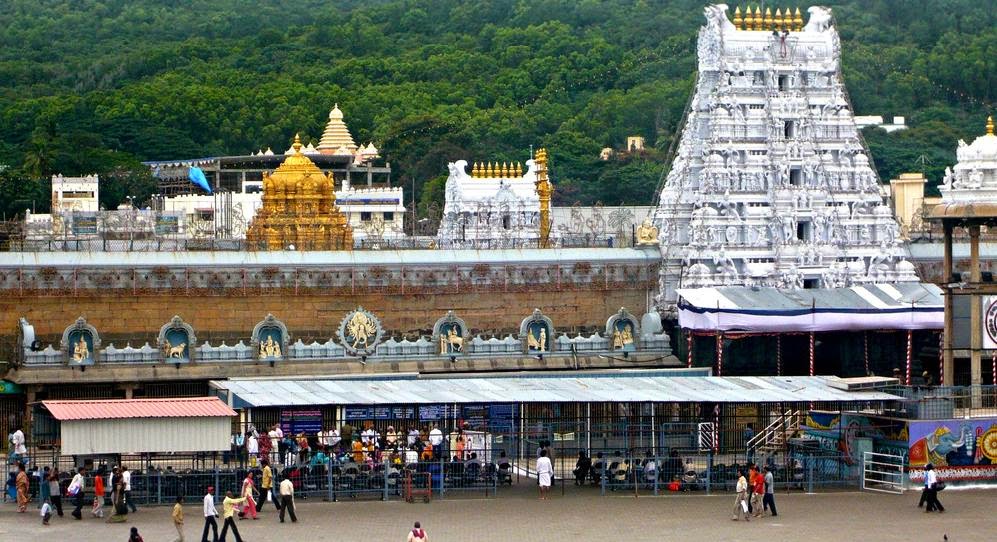
Tirupati Balaji, also known as Lord Venkateswara or Srinivasa, is one of the most revered deities in Hinduism, worshipped by millions across India and the world. Situated in the scenic Tirumala hills of Andhra Pradesh, this temple holds immense spiritual, cultural, and historical significance. Devotees believe that Lord Balaji is the giver of blessings and wishes. The moment you step foot in the temple door, there’s a feeling of peace and respect that washes over you. The gentle melody of temple bells, the scent of fresh flowers, and the murmur of chanting pilgrims all come together to create an atmosphere of deep devotion and serenity.
Pilgrims visit Tirupati throughout the year, driven by a desire to seek blessings from newborns to seniors, from first-time visitors to repeat pilgrims. Many come with heart’s desires, others for gratitude, and still others for the thrill and sheer dedication of pilgrimage. Over the years, Tirupati Balaji’s popularity has grown, owing not only to its centuries-old history but also to the seamless integration of age-old traditions with modern conveniences, such as online booking, guided darshan preparations, live updates, and more.
Visiting this temple is not just a religious journey; it is an emotional, mental, and sometimes physical one too. Devotees dress in traditional attire, following rituals that date back centuries. The temple’s grandeur, the intricate architecture, the golden gopuram, and the way the sun’s rays hit the idol in the early morning leave a lasting impression. Beyond mere belief, it’s the shared experience of unity, hope, and cultural pride that makes visiting Tirupati Balaji unforgettable.
Table of Contents
History of Tirupati Balaji:
The history of Tirupati Balaji is woven into a tapestry of legends, mythological anecdotes, and oral traditions that have been passed down for generations. It’s believed Lord Venkateswara is a form of Vishnu who appeared on Earth to save humanity from the trials of Kali Yuga. According to one legend, he appeared in response to the prayers of Kubera, the celestial treasurer, who had lost his wealth when lending to Lord Shiva for his wedding and was unable to repay the debt. Lord Venkateswara agreed to live forever in Tirumala and receive offerings to recoup Kubera’s loans, a story still reflected in the famous “nizam” collection of coins and inscriptions in the temple.
Other lore involves Sage Bhrigu, who, to test the Trimurti (Brahma, Vishnu, and Shiva), kicks Vishnu in the chest. Vishnu, in a gentle response, invites Lakshmi out of his abode, prompting her to descend to Earth in anger and settle on Earth as Padmavathi. Vishnu follows her to Earth to marry her in a human form, becoming the presiding deity of Tirupati Balaji. These fascinating stories, enriched over centuries, connect devotees to multiple layers of faith, symbolism, and ethics.
Tirupati’s earliest evidence dates back to medieval rock inscriptions and ancient copper plates, referencing donations from kings, chief patrons, and devotees. Dynasties such as the Pallavas, Cholas, Pandyas, and the Vijayanagara Empire contributed to temple development, each adding pinnacles, corridors, and mandapas that remain standing to this day. The temple’s administration has evolved, too, from royal management to colonial oversight to its current day-run board of trustees, the Tirumala Tirupati Devasthanams (TTD). However, the essence and devotion remain untouched.
Comfy Rides for Smooth Journey
Architectural Marvel and Temple Layout:
When you approach Tirupati Balaji temple, the grandeur is evident: the towering seven-tiered gopuram (Rajagopuram), the imposing stone walls, and hundreds of granite pillars that whisper tales of devotion. The temple complex is situated atop Tirumala Hill, approximately 853 meters above sea level. Pilgrims can ascend the mountain via either traditional footpaths, such as Alipiri and Srivari Mettu, or by modern roadways, accessible by bus or private vehicle.
The temple layout is built on a north-south axis. At the foothills, pilgrims register and secure their darshan tickets. Ascending the steps, they pass through several mandapas (pavilions) like the Kota Mantapa and Kongunatha Mantapa, before entering the temple proper. The Sabha Mantapa (congregational hall) leads to the shrine, where the resplendent idol of Lord Venkateswara stands in a commanding posture, decked in gold, diamonds, and jewelry.
What fascinates visitors even more are the architectural details, including the fancy door frames, the gold-plated Dhwaja Stambham (flagpole), and the intricately carved pillars that depict gods, goddesses, dancers, and musicians, each frozen in artistic motion. One of the most striking aspects is the Ananda Nilayam, the gold-covered vimana that crowns the sanctum. This shimmering pyramid glimmers in the sun, making the deity’s presence feel almost celestial.
Pilgrims often take a moment outside the main sanctum to admire the Kalyana Mandapam, where wedding ceremonies for the deity are performed on auspicious occasions. Adding to the temple’s architectural allure is the enduring Kerala-style wooden chariot, used in festivals, which is indicative of the diverse cultural influences integrated into this sacred space.
Pilgrimage Preparation and Best Time to Visit:
Preparing for a pilgrimage to Tirupati Balaji is part of the spiritual journey. Many devotees observe rituals days or weeks before their visit. You might hear pilgrims chanting the Vishnu Sahasranama, fasting, or adhering to a sattvic diet consisting of milk, fruits, and light sattvic foods. Some even take vows of silence or participate in temple service.
Booking can now be done online, reducing uncertainty and long waits. The Tirumala Tirupati Devasthanams (TTD) portal lets you book your darshan slot, accommodation, and prasadam. It’s wise to check these slots early, especially during peak seasons like Chitrapournami, Brahmotsavam (usually between September and November), the December holidays, and summer breaks. Make sure to note your allotted darshan time and reach the queue area well in advance.
Choosing the best time to visit depends on what you seek. For devotees seeking to immerse themselves in the traditional and spiritual celebration, festivals such as Brahmotsavam attract millions and generate an electric atmosphere. For a quieter, reflective journey, weekdays outside of festival seasons, particularly during monsoon months (July-September), can offer a calmer, less crowded experience. December to early January brings soothing winter weather, while February to March offers moderate temperatures and clearer skies.
Crowds swell during weekends, puja-pramodotsavam days, and 1st and 15th lunar days (Poornima and Amavasya). Visiting early in the morning or opting for the Suprabhatam (pre-dawn ritual) and being among the first to receive darshan can provide a more serene and soulful experience.
Modes of Darshan- Free, Special, and VIP Darshan:
Knowing your darshan options is crucial to planning an effective pilgrimage. Tirupati Balaji offers several modes:
- Free Darshan (Sarva Darshan): This is the traditional queue, unreserved, with long hours of waiting, but free of charge. The queue wraps through corridors and mandapas. Security is tight, belongings are limited to essentials, and the wait can stretch from 2 to 8 hours. For many devotees, the journey through the queue amplifies anticipation and devotion.
- Special Entry Darshan (SEVADAL/TTD Entry): For a fee, pilgrims can book slots with shorter queues, usually around 1-2 hours. Photo IDs must match tickets. It removes the uncertainty of timing and is very popular, so book early.
- Arjitha Seva and VIP Darshan: For a premium fee, pilgrims can avail themselves of Arjitha Sevas such as Thomala Seva, Archana, Kalyanotsavam, and Unjal Seva. Each offers rituals closer to the sanctum, along with complimentary prasadam. VIP darshan, originally for heads of state and dignitaries, can be arranged through TTD in certain circumstances.
- Diksha and Laddu Plates: Some pilgrims opt for special pujas, such as Rudrabhishekam, during which they stand in a smaller group near the idol. Laddu-free distribution can be availed through entry plates during or after darshan.
Comfy Rides for Smooth Journey
Tirumala Laddu- The Sacred Offering
One of the most delightful aspects of visiting Tirupati Balaji is receiving the famous Tirumala Laddu as prasadam. It’s more than just a sweet; it’s a symbol of divine blessing. The Tirumala Laddu, granted the Geographical Indication (GI) tag, has a unique place in the hearts of devotees. Made from pure ghee, besan (gram flour), sugar, cashews, and cardamom, this laddu carries an aroma and texture you won’t find anywhere else.
Every day, the temple’s kitchen, believed to be one of the largest in the world, prepares lakhs of laddus. The process is both sacred and scientific. Workers, clad in traditional attire, use massive vats and cook the ingredients in perfect proportions. Hygiene is strictly maintained, and machines handle the weighing and packing to ensure consistency. However, what truly sets the laddu apart is the spiritual significance that is imbued in its preparation. Each ingredient, each step, is considered part of a devotional act.
Pilgrims receive the laddu after darshan, and many opt to buy additional ones through tokens. It’s common to see people carrying boxes filled with laddus, intending to distribute them among family, friends, and even colleagues. This isn’t just about sharing food, it’s about spreading blessings and positivity. Even people who may not visit the temple themselves often cherish receiving a Tirumala Laddu as a sacred souvenir.
Over the years, the laddu’s recipe and production methods have been carefully preserved. TTD has ensured that quality remains top-notch, with regular audits and high standards. Whether you eat it fresh on temple grounds or save it to share later, the taste and essence linger. For many devotees, the laddu is as cherished as the darshan itself, sweet, sacred, and unforgettable.
Rituals and Poojas at Tirupati Balaji:
The rituals performed at the Tirupati Balaji Temple are deeply rooted in Vedic traditions and are carried out with unparalleled devotion and discipline. Every moment of the day is marked by rituals, creating an environment where spiritual energy flows constantly. These aren’t just ceremonies, they’re symbolic acts of love, surrender, and connection with the divine.
It all starts before dawn with the Suprabhatam, an early morning ritual where Lord Venkateswara is awakened with hymns and prayers. The sanctum is bathed in light, and the deity is offered fresh flowers, milk, and sacred items. The air is filled with the resonance of mantras and the gentle beats of temple bells.
Throughout the day, several poojas take place. The Thomala Seva involves adorning the deity with a garland of fresh flowers. Archana is the chanting of 108 names of the deity, while Kalyanotsavam reenacts the celestial wedding of the Lord and his consort. These rituals require prior booking and often allow closer darshan. Each of them is performed by trained priests who have undergone years of rigorous education in scriptures, mantra recitation, and ritualistic conduct.
Evening rituals are no less elaborate. The Ekanta Seva marks the end of the day, where the Lord is put to rest with devotional lullabies and prayers. The idol is symbolically laid to rest, with offerings made for protection and peace.
These rituals don’t just offer blessings; they create a divine rhythm that aligns your body, mind, and soul. Many devotees plan their visit around specific poojas to witness the spiritual spectacle in its full glory. For first-timers, it’s a mesmerizing blend of devotion, tradition, and community. For repeat visitors, it feels like returning home.
Festivals Celebrated at Tirupati Balaji:
Festivals at Tirupati Balaji are grand, vibrant, and deeply spiritual. These events attract lakhs of pilgrims from all corners of the globe. Among all the festivals, the Brahmotsavam stands out as the most significant and eagerly awaited celebration. Spanning nine days, this festival is said to have been initiated by Lord Brahma himself to honour Lord Venkateswara. The temple comes alive with lights, music, processions, and rituals that are a visual and spiritual delight.
- Brahmotsavam: During Brahmotsavam, the deity is taken out in different vahanas (vehicles) like Garuda, Hanumantha, and Sesha Vahanam. These processions move through the temple streets, accompanied by traditional music and dancing. Devotees gather along the sides, often waiting hours to catch a glimpse of the Lord. It’s not just an event, it’s an emotion shared by generations.
- Vaikuntha Ekadasi: Apart from Brahmotsavam, Vaikunta Ekadasi is another major celebration. Falling in December or January marks the day the gates of Vaikunta (heaven) are believed to be open. Special rituals are held, and the temple experiences an immense surge in pilgrim footfall. Many stay awake the entire night chanting, praying, and waiting to walk through the “Vaikunta Dwaram,” a symbolic gate to heaven within the temple premises.
- Other Festivals: Other notable festivals include Rathasapthami (symbolising the sun’s journey), Vasanthotsavam (spring celebration), and Anivara Asthanam (annual accounting ritual). Each festival has its meaning, flavour, and rituals, infused with music, flowers, and deep community involvement.
Participating in a Tirupati festival isn’t just about religion; it’s about experiencing unity, devotion, and tradition on a grand scale. The atmosphere is electric, the passion is palpable, and every moment feels like a divine celebration.
Accommodation and Facilities for Pilgrims:
If you’re planning to visit Tirupati Balaji Temple and need accommodation nearby, here are five excellent options to consider, offering a range of amenities, from budget stays to more luxurious options.
- Sarovar Portico Tirupati: For those seeking a mid-range hotel with modern amenities, Sarovar Portico is a popular choice. Located about 5 km from the temple, this hotel offers a comfortable and pleasant stay with spacious rooms and a range of services. Guests can enjoy free Wi-Fi, a restaurant, room service, and even access to a spa and fitness centre. It’s a great option for families or solo travellers looking for a bit of luxury without the high price tag. The hotel is conveniently located near major transportation hubs.
- Marasa Sarovar Premiere: If you’re looking for a more luxurious stay, the Marasa Sarovar Premiere is an excellent choice. Located just 2 km from the temple, this premium hotel offers an elegant atmosphere with a range of high-end amenities, including spacious rooms, a swimming pool, a restaurant, and a fitness centre. The hotel also offers facilities for corporate guests, such as conference rooms and event spaces. It’s a wonderful option for those who want to combine spirituality with comfort and luxury. You can find it on popular booking sites like MakeMyTrip and Goibibo.
- Hotel Bliss: For travellers on a budget who don’t want to compromise on comfort, Hotel Bliss is a great choice. Located approximately 2 km from the temple, near Tirupati Railway Station, this hotel offers easy access to both the temple and public transportation. The hotel provides AC/non-AC rooms, a restaurant, and 24-hour room service, making it a convenient and affordable option for pilgrims. While basic, the service is friendly, and the rooms are clean and comfortable. It’s especially ideal for those seeking an affordable yet well-maintained place to stay.
- Bhimas Deluxe Hotel: Another budget-friendly yet reliable option near the temple is Bhimas Deluxe Hotel, located about 2-3 km from the Tirupati Balaji Temple. Known for its clean rooms and friendly service, it is a popular choice among pilgrims looking for a no-frills stay. The hotel offers both AC and non-AC rooms, along with essential services like room service and a restaurant. While not as luxurious as some of the other options, Bhimas Deluxe offers good value for money, particularly for those seeking a simple and comfortable stay.
Footpath Routes:
For the genuine spiritual seeker, climbing the Tirumala hills on foot is a soulful journey of dedication and discipline. There are two major footpath routes, Alipiri, and Srivari Mettu, both offering pilgrims a chance to immerse themselves in prayer and nature.
- Alipiri: Alipiri, the older and more popular route, starts from the base of Tirupati. It has around 3,550 steps spread across 11 kilometres. The route is covered with a canopy, lit for nighttime ascents, and lined with shrines, resting points, and drinking water stations. Pilgrims often climb barefoot, chanting Lord Balaji’s name with each step. It takes about 3 to 5 hours, depending on your pace.
- Srivari Mettu: Srivari Mettu, the shorter and steeper path, begins from Srinivasa Mangapuram and has around 2,388 steps over a distance of 2.1 kilometres. It’s ideal for those who prefer a quicker but more intense climb. This route is quieter and more serene, especially early in the morning.
Walking up these paths isn’t just exercise, it’s an act of devotion. People of all ages make the trek as a vow, or to thank the Lord for fulfilled wishes. Some even roll coconuts or light camphor at every step as part of their prayer.
Both paths are well-secured and maintained by TTD, with staff present to guide and assist. Special biometric token counters are available midway to facilitate darshan once you reach the top. For many, the walk is a moment of meditation, every step bringing them closer not just to the temple, but to inner peace.
Nearby Temples and Attractions:
While the main attraction is undoubtedly the Tirumala temple, the region around Tirupati is dotted with several other temples and spiritual sites that make the journey even more enriching. Whether you’re a first-time visitor or a seasoned devotee, exploring these sacred spots adds depth to your pilgrimage and opens the door to even more divine experiences.
- Padmavathi Ammavari Temple: One of the most popular nearby temples is the Padmavathi Ammavari Temple in Tiruchanur, dedicated to Goddess Padmavathi, consort of Lord Venkateswara. Devotees believe their pilgrimage isn’t complete without a visit here. The temple’s tranquil atmosphere and beautifully adorned idol of the goddess offer a different but equally powerful spiritual aura.
- Kapila Theertham: Another must-visit is the Kapila Theertham, located at the base of the Tirumala hills. It’s a sacred Shiva temple with a waterfall flowing from the Seshachalam hills right into its courtyard. Devotees often take a dip here before heading to Tirumala, as it’s considered purifying. The waterfall is especially picturesque during the monsoon, making it a natural and spiritual attraction rolled into one.
- Govindaraja Swamy Temple: The Govindaraja Swamy Temple, right in the heart of Tirupati town, is another marvel. It features an expansive courtyard, high gopurams, and intricate carvings. The deity is believed to be the elder brother of Lord Venkateswara and is often visited by pilgrims on the same day.
- Srivari Padalu: For those interested in divine footprints, the Srivari Padalu at the top of Narayanagiri hill is a special site. It is believed to be the exact spot where Lord Venkateswara first set foot on Earth. Reaching this place involves a small trek, but the panoramic views of the Tirumala hills are well worth the effort.
These attractions not only enhance your spiritual journey but also allow you to understand the interconnectedness of various deities and legends surrounding Tirupati. So, if you have time, don’t just rush back to stay and explore these spiritual gems that breathe life into every corner of Tirupati.
Read More: Dwarka Travel Guide: History, Pilgrimage, and Top Things to Do
TTD Services and Digital Innovations:
The Tirumala Tirupati Devasthanams (TTD) has successfully integrated technology with tradition, enhancing the pilgrimage experience for millions. Key innovations include the TTD Online Booking Portal, where devotees can book darshan slots, accommodation, sevas, and laddu prasadam from home, especially useful during high-demand times like festivals. The TTD mobile app offers digital ticketing, temple maps, prayer timings, and push notifications for reminders, making navigation easier, especially for elderly visitors. These digital innovations have made the temple more accessible, efficient, and transparent, blending modernity with faith.
Annaprasadam: The Most Iconic Food Served in theTemple-
No pilgrimage is truly complete without experiencing the local food culture, and Tirupati has delightful culinary offerings. After the emotional and spiritual fulfilment of darshan, most visitors find comfort and joy in simple, wholesome, and flavorful South Indian meals.
The most iconic food offering here is, of course, the Annaprasadam, served free to all devotees at the temple. Cooked fresh in giant community kitchens, the meals typically include steamed rice, sambar, rasam, vegetable curries, and curd, all served on banana leaves. Eating this food, surrounded by fellow pilgrims, is not just about nourishment; it’s a community experience filled with gratitude.
Exclusive Food Experiences:
Outside the temple, Tirupati town has numerous eateries and tiffin centres serving lip-smacking local fare. You’ll find crispy dosas, fluffy idlis, spicy vadas, and filter coffee at almost every street corner. The flavours are authentic, and the meals are often served with generous portions of chutneys and sambars. Popular spots include Bhimas, Mayura, and Hotel Minerva, all known for their cleanliness, service, and variety.
For those seeking sweets beyond the sacred laddu, local confectioners offer treats like Mysore Pak, boondi, and badusha, each with its twist. Many of these are made with pure ghee and time-honoured recipes that make them hard to resist.
Street food is also a fun part of the experience. From roasted corn to spiced peanuts, local fruit vendors, and sugarcane juice stalls, there’s plenty to nibble on as you walk the temple streets. While the offerings are humble, the taste is unforgettable, carrying the warmth and simplicity of home-cooked food.
Whether you eat in the temple or at a local dhaba, food in Tirupati nourishes both the body and the soul. It’s made with devotion, served with love, and enjoyed with thankfulness.
Travel Tips for Visiting Tirupati Balaji Temple:
- Book in Advance: Pre-book your darshan tickets and accommodation through the official TTD website to avoid long waits and ensure availability, especially during peak seasons.
- Dress Modestly: Wear a dhoti or trousers for men and a saree or salwar kameez for women. Avoid revealing clothes and wear comfortable footwear as you’ll need to leave them at the designated counters.
- Plan Your Timing: Visit during off-peak months (October to March) to avoid crowds. If you’re visiting during festivals, prepare for long waiting times.
- Stay Hydrated and Carry Essentials: Carry water to stay hydrated during long waits. Keep minimal valuables, and don’t forget to carry a valid photo ID for booking tickets and accommodation.
Safety Guidelines for Visiting Tirupati Balaji Temple:
- Strict Security Checks: Expect thorough security checks at the entrance. Avoid carrying sharp objects, large bags, or electronics (e.g., cameras, mobile phones) inside the temple.
- Respect Temple Etiquette: Follow the instructions from temple staff and security personnel to maintain order and safety. Keep noise levels low and be respectful of religious practices.
- Health and Safety: Wear comfortable shoes as you may have to walk long distances. If you have any health concerns, carry essential medications and take breaks if needed.
- Keep Valuables Safe: Avoid carrying jewellery, large amounts of cash, or expensive items. Stick to official counters for all transactions and avoid engaging with unauthorized vendors.
- Stay Safe in Crowds: Be mindful of the crowds during peak hours and festivals. Maintain a safe distance from others, and be patient while waiting for darshan. Keep your personal belongings secure.
The key to a fulfilling visit lies in your attitude. Go with an open heart, be prepared for some delays, and surrender to the temple’s rhythm. It’s not just about seeing the deity; it’s about experiencing the divine energy, and that begins the moment you start your journey.
The Spiritual Impact of a Tirupati Visit:
Visiting Tirupati isn’t just a checklist item; it’s an experience that changes you. From the moment you set foot on the sacred soil of Tirumala, there’s an inevitable shift that happens inside. For many, it’s a moment of clarity. For others, it’s peace after a storm, and for some, it’s simply the reassurance that someone, somewhere, is listening.
The climb to the temple, whether by steps or by road, is more than physical. It’s symbolic of life’s journey. With every step, you leave behind a little burden, a few doubts, and some ego, and reach closer to something higher. And when you finally stand before the idol of Lord Venkateswara, all dressed in gold, eyes closed, hands folded, you feel something words can’t capture. A release. A blessing. A silent dialogue between the soul and the divine.
The rituals, the chants, and the sight of lakhs of people praying in unison remind you that faith is a powerful force. That even in a fast-changing world, some things remain eternal. And that’s what makes Tirupati special. It’s not just the temple. It’s the collective energy of hope, love, and surrender that every pilgrim brings with them.
Even after you return home, the experience lingers. In the form of a laddu shared with loved ones, a memory revisited, or a prayer said with a little more confidence. You carry a part of Tirupati with you in your thoughts, your words, and your heart.