The modern workplace is evolving rapidly, and organizations are paying closer attention to the everyday experiences of their employees. While factors like salary, work culture, and growth opportunities remain important. The aspect of daily commute quietly influences employee satisfaction and performance. For many employees, getting to and from work is not just a routine task but a source of stress, fatigue, and uncertainty.
Enterprises are nowadays beginning to recognize that the challenge to commuting can directly affect productivity, punctuality, and overall morale of employees. As a result, managed employee commute programs are gaining grip as a practical and forward-looking solution. These programs take a structured approach to employee transportation so that travel is organized, reliable, and aligned with both employee needs and business goals. By addressing one of the most consistent pain points in an employee’s day, companies can create a more stable and supportive work environment.
Table of Contents
What is a Managed Employee Commute Program?
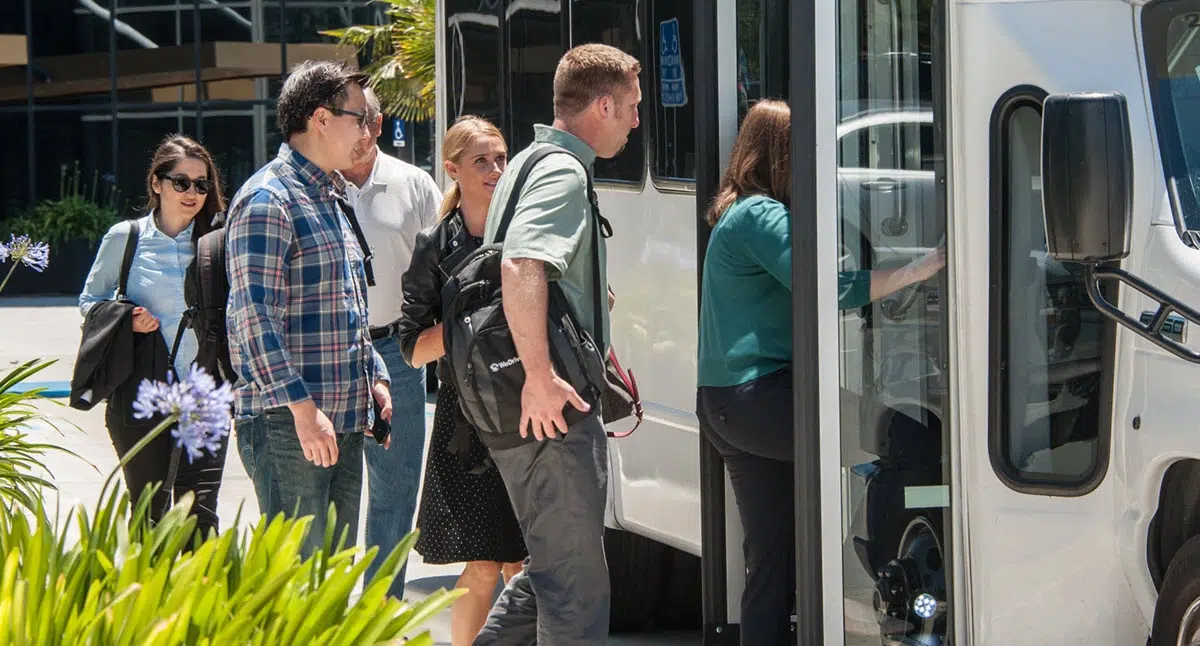
A managed employee commute program is a centralized system that’s designed to handle the transportation needs of a workforce. The organization provides a coordinated solution that covers planning, scheduling, and execution, rather than employees themselves arranging their travel or relying on inconsistent options. This can include a company-operated shuttle service, dedicated chauffeur and partnerships with reliable service providers.
Such programs mostly rely on technology to streamline operations. Features like route optimization, real-time tracking, automated scheduling, and digital booking platforms make the system efficient and user-friendly. The goal is not just to move employees from one place to another, but to do so in a way that minimizes inconvenience and maximizes reliability. By bringing structure to what is otherwise a fragmented process, enterprises can significantly improve the commuting experience.
Impact on Productivity and Work Performance
One of the most visible advantages of managed commute programs is their effect on employee productivity. Long and unpredictable commutes can stress employees out before they even begin their workday. Employees are more likely to reach on time and in a better state of mind when transportation is organized and dependable.
A smoother travel journey reduces mental fatigue and let them focus on their tasks. Some employees also tend to use their travel time productively to prepare for meetings, catch up on reading, or simply relax before work. Over time, these improvements help to gain better concentration, higher efficiency, and more consistent performance across teams.
Influence on Employee Satisfaction and Retention
Commuting plays a larger role in this than many organizations initially realize. Best workplace benefits is of no help if the commute experience of an employee is stressful. Therefore, a comfortable and reliable one can enhance the overall work experience.
Managed commute programs highlight that a company values the time and well-being of employees. This creates a positive relationship between employees and the organization. People are more likely to stay committed and engaged when they feel that their needs are considered. This can lead to improved retention rates and a stronger employer reputation in the job market on the longer run.
Safety and Security Considerations
Safety is a critical aspect of employee transportation, especially for those who are working late hours or traveling through less accessible areas. A managed commute program introduce structured safety measures that is not usually fount in individual travel arrangements.
Employees can travel with greater confidence with a verified drivers, monitored routes, and tracking systems in place. It also include emergency support features and policies that are designed to provide a secure travel experience for all, including specific considerations for women employees. For enterprises, this not only fulfills a responsibility toward employee welfare but also reduces potential risks and liabilities.
Operational Efficiency and Administrative Ease
Managing employee transportation informally can lead to scattered processes and inefficiencies. Reimbursements, last-minute arrangements, and inconsistent travel patterns often create unnecessary burdens for the administrative team, but a managed commute program can simplify these complexities by centralizing all transportation-related activities together.
This structured approach lets organizations monitor usage, manage schedules, and handle payments more efficiently. The administrative teams benefit from reduced workload and clearer visibility into transportation operations. For companies with multiple offices or large workforces, this level of organization can make a significant difference in day-to-day functioning.
Cost Optimization and Financial Planning
While implementing a managed commute program requires investment, it often proves to be cost-effective over time. Shared transportation reduces the overall cost per employee, and optimized routes help minimize fuel consumption and travel time.
By replacing fragmented reimbursement systems with a consolidated model, companies can also reduce administrative expenses. Predictable transportation costs make budgeting easier and help avoid unexpected spikes in spending. Over time, these efficiencies contribute to better financial planning and resource allocation.
Contribution to Sustainability Goals
Sustainability has become a key focus area for modern enterprises, and transportation is a major contributor to environmental impact. Managed commute programs support sustainability efforts by encouraging shared mobility and reducing the number of individual vehicles on the road.
Fewer vehicles mean lower emissions, reduced traffic congestion, and more efficient use of resources. Organizations can further enhance their environmental initiatives by incorporating eco-friendly vehicles into their fleets. These efforts not only benefit the environment but also align with the expectations of stakeholders who value responsible business practices.
Leveraging Data for Continuous Improvement
An important advantage of managed commute programs is the ability to collect and analyze data. Digital platforms used in these systems generate insights into travel patterns, route efficiency, and usage trends.
This data enables organizations to make informed decisions and continuously refine their transportation strategies. Whether it involves adjusting routes, optimizing schedules, or expanding services, data-driven improvements ensure that the program remains effective and relevant. Over time, this adaptability becomes a key strength of managed commute systems.
Supporting Inclusivity and Accessibility
Transportation challenges can sometimes limit access to employment opportunities. Employees living in distant areas or lacking reliable transport options may face difficulties in maintaining regular attendance. Managed commute programs help bridge this gap by providing consistent and accessible travel solutions.
They also create a safer environment for employees who may otherwise feel vulnerable during their commute. By addressing these barriers, organizations can build a more inclusive workforce and ensure that opportunities are not restricted by logistical constraints.
Adapting to Changing Work Models
The rise of hybrid and flexible work arrangements has changed how and when employees commute. Managed commute programs are well-suited to adapt to these evolving patterns. With features like flexible scheduling and on-demand services, they can accommodate varying attendance levels and shifting work hours.
This adaptability ensures that transportation resources are used efficiently, even as workplace dynamics continue to change. It also allows employees to benefit from structured commuting solutions without losing the flexibility they value.
Conclusion
As enterprises continue to refine their approach to employee experience, commuting is emerging as an area that deserves greater attention. Managed employee commute programs offer a practical way to address everyday challenges that have a lasting impact on both individuals and organizations.
By creating a reliable, safe, and efficient transportation system, companies can improve productivity, strengthen employee satisfaction, and streamline operations. At the same time, they contribute to broader goals such as sustainability and inclusivity. Rather than being seen as an additional service, managed commuting should be viewed as an integral part of a well-functioning workplace.
When organizations invest in making the daily journey easier for their employees, they are ultimately investing in a more focused, motivated, and resilient workforce. And that is a foundation on which long-term success is built.