









Innovation in Corporate Mobility

bner
Supporting Sustainable Eco

Technology, Data, and Process Improvements That Support Better Mobility Outcomes

At ECO Mobility, innovation is not simply about adopting new technology. It is about using technology, data, and operational improvements responsibly to create safer, more efficient, and more transparent transportation experiences for clients and passengers.


As a New Delhi-based corporate car rental, chauffeured car rental (CCR), and employee transportation services (ETS) provider operating in over 130+ cities across India and 150+ countries worldwide, ECO Mobility continuously explores ways to strengthen service delivery through responsible innovation.


From mobility technology and digital workflows to reporting tools and operational visibility, our focus remains on solving real business challenges while maintaining reliability, accountability, and customer trust.

What Responsible Innovation Means to Us?

Responsible innovation is the thoughtful application of technology, process improvement, and operational intelligence to solve mobility challenges without compromising safety, privacy, service quality, or human accountability.

In the corporate transportation sector, innovation should create measurable value for clients, employees, chauffeurs, and operational teams. It should improve efficiency, enhance visibility, simplify decision-making, and support better transportation outcomes.

01

At ECO Mobility, responsible innovation may include:

For ECO Mobility, innovation is most valuable when it supports people, strengthens accountability, and improves the overall mobility experience.

Sustainable Fleet

Digital Tools for Smarter Mobility Operations

Managing corporate transportation at scale requires more than vehicles and drivers. It requires connected systems that support planning, execution, monitoring, and reporting across thousands of trips and multiple locations.


ECO Mobility leverages mobility technology to help organizations manage transportation programs with greater operational visibility and control. Through digital corporate mobility processes, clients can benefit from improved coordination, faster response times, and more consistent service delivery.

02
Fleet Selection

Digital Booking and Request Management

Modern mobility programs depend on streamlined booking workflows. Digital request management systems can simplify trip scheduling, approvals, modifications, and communication between users and operations teams.

Vehicle Maintenance

Trip Allocation and Dispatch Visibility

Effective transport automation supports the allocation of trips based on operational requirements, availability, service commitments, and client-specific policies. Improved dispatch visibility helps transportation teams monitor trip status and respond proactively to operational changes.

Fuel Efficiency

Route Optimisation for Employee Transportation

Employee transportation programs often involve complex routing requirements. Route optimisation tools can help improve scheduling efficiency, reduce unnecessary travel distances, and support better vehicle utilisation.

Cleaner Vehicle Options

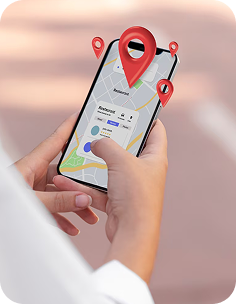
GPS and Live Tracking Capabilities

Real-time visibility can support safer and more transparent transportation operations. Where applicable and verified, GPS-enabled tracking solutions may provide trip monitoring, location visibility, and proactive exception management.

Compliance

MIS Reporting and Management Dashboards

Corporate mobility programs generate significant operational data. Digital reporting tools can help HR, Administration, Procurement, Finance, and Facilities teams access information related to trip activity, utilisation, service performance, and operational trends.

Compliance

Billing and Invoice Workflow Support

Digital corporate mobility systems can also improve billing accuracy and administrative efficiency by supporting invoice generation, reconciliation workflows, and reporting requirements.

Innovation for Safety, Efficiency, and ESG Reporting

Innovation creates value when it improves operational outcomes and supports better decision-making. In corporate transportation, technology-enabled processes can help strengthen safety, improve efficiency, and provide greater transparency across mobility programs.

Key route optimisation practices include:

03

For HR teams, administration professionals, procurement leaders, and finance stakeholders, innovation can provide greater transparency while helping to improve the overall effectiveness of corporate mobility programs.

Human-Led, Technology-Supported Service

Technology is a powerful enabler, but mobility services ultimately depend on people. Transportation programs often require real-time decision-making, local knowledge, customer support, and operational judgment that cannot be fully automated.

At ECO Mobility, we believe technology should support people rather than replace accountability.

Operational focus areas include:

04
Driver orientation

Dedicated Operational Support

Experienced operations teams help coordinate transportation services, address exceptions, and manage day-to-day mobility requirements.

fi 13223540

Human Escalation and Issue Resolution

Unexpected delays, route changes, weather disruptions, and operational challenges often require direct intervention and personalised support.

Reduced idling

Local Market Knowledge

Understanding city-specific traffic conditions, operational constraints, and transportation requirements remains an important part of service delivery.

Smooth1

Client-Specific Workflows

Mobility programs are rarely identical. Technology-supported processes can be adapted to meet unique client requirements and operational objectives.

Vehicle1

Continuous Feedback and Improvement

Client feedback, operational reviews, and performance monitoring help identify opportunities for ongoing service enhancement.

By combining mobility technology with experienced operational teams, ECO Mobility aims to deliver transportation solutions that remain responsive, practical, and customer-focused.

Innovation Metrics We Can Track

Measuring the impact of innovation is essential for continuous improvement. As reporting frameworks evolve, organizations increasingly seek visibility into both operational performance and digital adoption.

05
Digital Adoption Metric Reporting Status
Digital booking adoption rate [Add Data]
Trips processed through digital platforms [Add Data]
Client portal utilisation [Add Data]
Dashboard engagement metrics [Add Data]
Operational Performance Metric Reporting Status
Route optimisation savings [Add Data]
Average trip allocation efficiency [Add Data]
Exception resolution turnaround time (TAT) [Add Data]
SLA compliance performance [Add Data]
Reporting and Visibility Metric Reporting Status
MIS report usage [Add Data]
Client reporting frequency [Add Data]
Operational transparency indicators [Add Data]
Financial Process Metric Reporting Status
Automation-supported billing accuracy [Add Data]
Invoice processing efficiency [Add Data]
Reconciliation turnaround times [Add Data]

These innovation metrics and digital mobility reporting frameworks help organizations evaluate how mobility technology, transport automation, and fleet innovation contribute to operational excellence and long-term business objectives.

Frequently Asked Questions

Don’t find the answer? We can help

faq
How does Ecosmobility evaluate new mobility technologies before implementation?

Ecosmobility assesses new technologies based on their ability to improve safety, efficiency, service reliability, and client experience. Every solution is evaluated for operational impact, scalability, and business value before adoption.

Transport automation helps streamline booking, dispatch, reporting, and billing workflows, reducing manual effort and improving efficiency. This enables faster service delivery while maintaining operational oversight and accountability.

Ecosmobility supports responsible innovation by considering data protection, access controls, and secure operational processes. Privacy and security remain key considerations when implementing digital mobility solutions.

Depending on operational requirements and system capabilities, digital tools may support trip visibility, reporting dashboards, and transportation performance monitoring. Specific features should be confirmed based on the service scope.

Efficient route planning can help reduce unnecessary travel, improve vehicle utilisation, and support more effective transportation operations. These improvements may contribute to broader sustainability and efficiency objectives.

Passenger and trip-related information should be handled through privacy-aware processes, access controls, and operational safeguards designed to support responsible data usage.

Many digital workflows and reporting frameworks can be adapted to meet client-specific requirements, operational policies, and mobility program objectives.

Responsible innovation refers to the use of technology, data, and operational improvements to enhance transportation services while maintaining safety, privacy, reliability, and accountability. It focuses on solving business and mobility challenges in a sustainable and practical manner.

Mobility technology can improve trip scheduling, route planning, dispatch coordination, reporting, communication, and service visibility. These improvements help organizations manage employee transportation programs more efficiently and effectively.

Transport automation can support trip allocation, workflow management, approvals, reporting, and operational monitoring. When implemented responsibly, it can improve efficiency while maintaining service quality and governance standards.

Modernise Your Corporate Mobility Program Responsibly

Responsible innovation creates transportation programs that are safer, more transparent, and better aligned with evolving business expectations. With a combination of mobility technology, digital corporate mobility solutions, transport automation, and experienced operational teams, Ecosmobility helps organizations build smarter mobility strategies for the future.

Scroll to Top

Create Corporate Account