Fleet safety is changing quickly. With more vehicles on the road and increasing pressure on businesses to reduce accidents, fuel costs, and vehicle downtime, companies are looking for smarter ways to manage their fleets. This is where AI dashcams are making a difference.
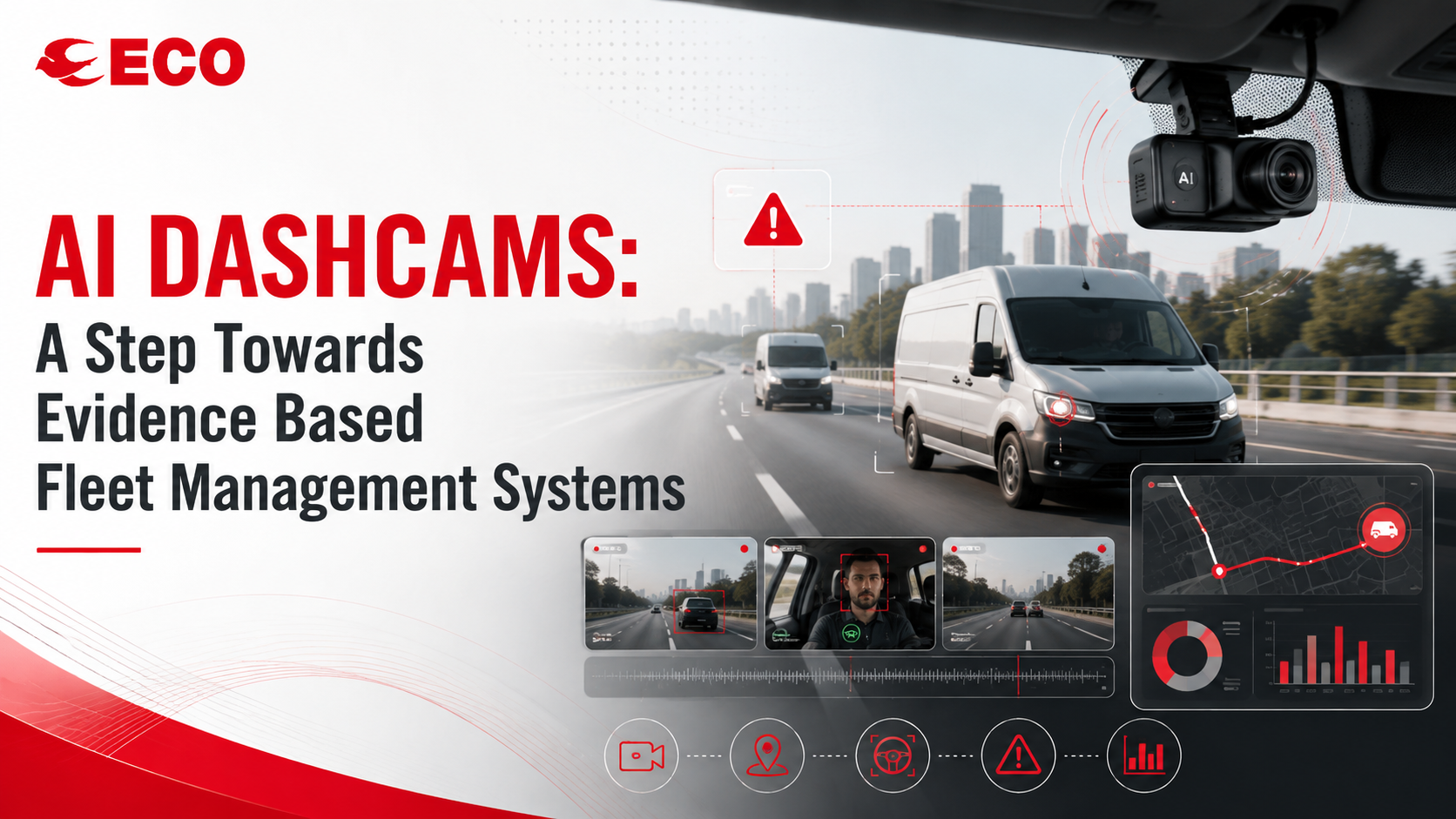
AI-powered dashcams combine video recording with artificial intelligence to monitor driving behavior, identify risks, and provide real-time alerts. For businesses managing trucks, vans, taxis, delivery vehicles, or company cars, AI dashcams for fleet management can become an important part of a modern fleet safety program.
Table of Contents
What Are AI Dashcams?
An AI dashcam is more than a standard vehicle camera. Traditional dashcams mainly record what happens on the road. AI dash cameras use computer vision and machine learning to understand what is happening around the vehicle and, in some cases, inside the cabin.
They can detect events such as:
- Distracted driving
- Driver fatigue and drowsiness
- Mobile phone use
- Harsh braking
- Sudden acceleration
- Lane departure
- Close following or unsafe distance
- Speeding and risky driving
- Potential collisions
This allows fleet managers to move from simply recording incidents to actively preventing them.
How AI Dashcams Improve Fleet Safety?
1. Real-Time Driver Alerts
One of the biggest benefits of AI dashcams for fleet safety is real-time feedback. If a driver looks distracted, uses a phone, or shows signs of fatigue, the system can provide an alert.
A quick warning at the right moment can help a driver correct their behavior before it leads to an accident.
2. Better Driver Behavior Monitoring
Fleet managers cannot sit in every vehicle. AI dashcam technology provides visibility into driving behavior without requiring constant manual monitoring.
Fleet management teams can review driving events and identify patterns. For example, if a driver frequently brakes hard or follows other vehicles too closely, managers can provide targeted coaching. This makes driver safety monitoring more practical and data-driven.
3. Video Evidence After an Accident
Road accidents can create disputes between drivers, companies, and insurance providers. Dashcam footage can provide a clear record of what happened.
With AI dashcam video evidence, fleet operators can better understand accidents and protect drivers from false claims. Recorded footage may also support insurance claims and internal investigations, depending on local rules and insurance requirements.
4. Reduced Risk and Accident Costs
Accidents can be expensive. Businesses may face vehicle repairs, insurance costs, delivery delays, employee downtime, and legal expenses.
By identifying risky driving before an accident happens, fleet camera systems can help companies reduce avoidable risks. Over time, safer driving can contribute to fewer accidents and lower operating costs.
AI Dashcams and Fleet Management
Modern fleet management software can work with AI dashcams, GPS tracking, telematics, and vehicle data. This creates a more complete picture of fleet performance.
For example, a fleet manager can see:
- Where a vehicle is located
- How it is being driven
- Whether risky driving events are occurring
- What happened during a road incident
- Which drivers may need additional training
Combining AI dashcam technology with GPS tracking and fleet telematics can help businesses make faster and better decisions.
Driver Fatigue and Distraction Detection
Driver fatigue and distraction are major concerns for commercial fleets. A tired or distracted driver may react more slowly to unexpected situations.
Driver monitoring systems can use cameras and AI to identify signs of drowsiness or distraction. Depending on the system, this may include monitoring eye movement, head position, or other driving-related behaviors.
The goal is not simply to record the driver. It is to provide an early warning when attention may be dropping.
Privacy and Responsible Use
While AI dashcams offer many benefits, companies should also consider driver privacy and data security.
Businesses should clearly explain what their dashcam systems record, how footage is stored, who can access it, and how long data is retained. They should also follow applicable privacy and employment laws.
A transparent approach can help build trust between fleet operators and drivers.
What to Look for in an AI Dashcam?
Businesses comparing AI dashcams for commercial vehicles should consider more than camera quality. Important features include:
- AI-based driver behavior detection
- Driver fatigue and distraction alerts
- Road-facing and cabin-facing cameras
- GPS tracking
- Cloud video storage
- Real-time alerts
- Mobile and web access
- Fleet management integration
- Good night-time video quality
- Secure data storage
- Easy installation and maintenance
The right system depends on fleet size, vehicle type, budget, and safety goals.
The Future of AI Dashcams
The future of fleet safety technology is likely to become even more intelligent. AI systems will continue to improve at identifying risky situations and turning video data into useful insights.
As AI fleet management, telematics, predictive analytics, and connected vehicles develop, dashcams may become a central part of fleet safety rather than simply a recording device.
The biggest shift is from reactive fleet safety to proactive fleet safety. Instead of reviewing footage only after an accident, businesses can use AI to identify risks and take action before something goes wrong.
Conclusion
AI dashcams are becoming an important tool for modern fleet safety. They can help businesses monitor driver behavior, detect distractions and fatigue, provide accident evidence, and improve overall fleet visibility.
For companies looking to reduce road risks and build a stronger fleet safety management system, investing in AI dashcam technology can be a practical step toward safer and smarter fleet operations.
As AI continues to develop, AI dashcams, fleet tracking, video telematics, and driver monitoring systems will play an increasingly important role in the future of commercial fleet safety.