In today’s fast-moving business world, transportation plays a major role in delivering goods and services on time. Whether it is a logistics company, a delivery business, or a fleet management company, controlling fuel expenses has become one of the biggest challenges. At the same time, businesses are also under pressure to reduce their environmental impact by lowering carbon emissions.
This is where route optimization becomes an essential solution. Instead of simply finding the shortest route, route optimization uses advanced technology to determine the most efficient path based on multiple factors like traffic, road conditions, delivery schedules, vehicle capacity, and fuel consumption. The result is faster deliveries, lower fuel costs, fewer emissions, and improved customer satisfaction.
As fuel prices continue to rise and sustainability becomes a business priority, more companies are investing in route optimization software to improve their daily operations. This blog explains how route optimization works, how it helps reduce fuel costs and emissions, and why it has become an important part of modern fleet management.
Table of Contents
What is Route Optimization?
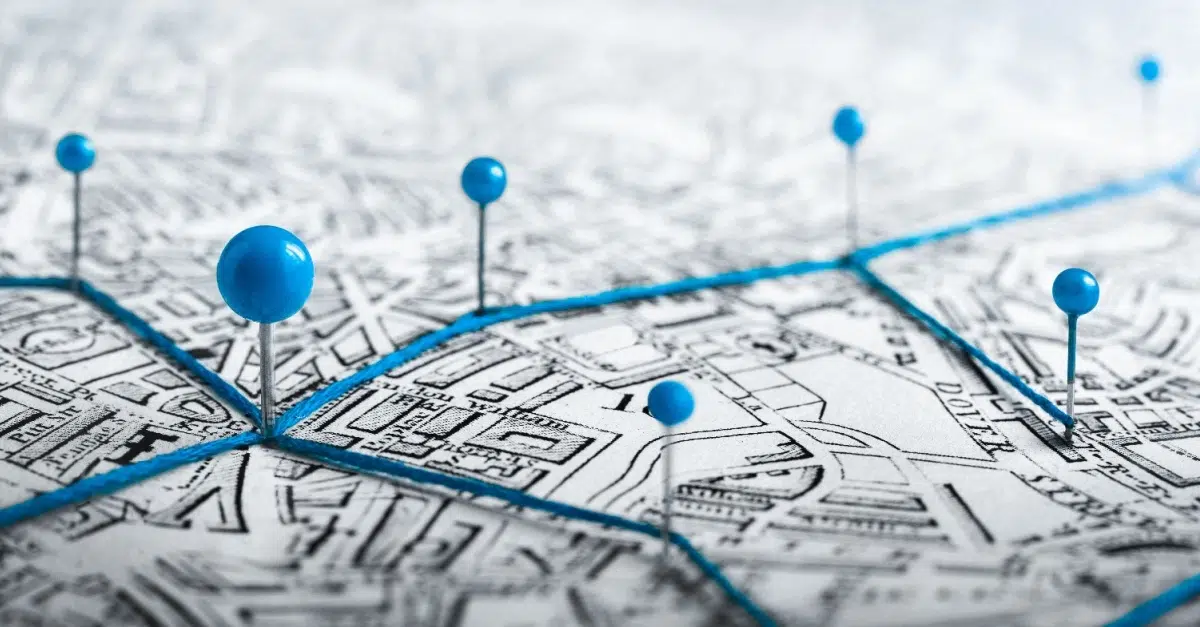
Route optimization is the process of planning the most efficient routes for vehicles to complete deliveries or service visits. It goes beyond selecting the shortest distance. A route optimization system analyzes several factors to create the best possible route for each vehicle.
These factors include traffic congestion, road closures, delivery time windows, vehicle load capacity, driver availability, weather conditions, toll roads, and customer locations. By considering all these elements together, businesses can reduce unnecessary travel and improve overall fleet performance.
Modern route optimization software uses GPS tracking, artificial intelligence (AI), machine learning, and real-time traffic updates to continuously improve routing decisions. If unexpected traffic or roadblocks occur, the system can automatically suggest alternative routes to minimize delays and fuel consumption.
Why Fuel Costs Are a Major Concern for Fleet Businesses?
Fuel is one of the highest operating expenses for transportation and logistics companies. Even a small increase in fuel prices can significantly affect profit margins. Vehicles that spend extra time in traffic, travel unnecessary distances, or idle for long periods consume more fuel than required.
Poor route planning often leads to:
- Longer driving distances
- Traffic delays
- Excessive idling
- Multiple return trips
- Unplanned detours
- Higher vehicle wear and tear
These issues increase fuel usage and operating costs while reducing delivery efficiency. Businesses that manage dozens or hundreds of vehicles can lose thousands of dollars each year because of inefficient routing.
Route optimization helps eliminate these problems by ensuring every vehicle follows the most fuel-efficient route possible.
How Route Optimization Reduces Fuel Costs?
1. Reduces Total Driving Distance
One of the biggest benefits of route optimization is minimizing unnecessary travel. Instead of drivers choosing routes manually, the software calculates the shortest and most efficient delivery sequence.
When vehicles travel fewer kilometers each day, they naturally consume less fuel. Over weeks and months, this reduction leads to significant savings for businesses operating large fleets.
Shorter routes also reduce tire wear, engine stress, and vehicle maintenance costs, creating additional financial benefits.
2. Avoids Traffic Congestion
Traffic jams are one of the biggest reasons for fuel waste. Vehicles consume fuel even when they are moving slowly or standing still in traffic.
Route optimization software uses real-time traffic information to avoid congested roads whenever possible. Drivers receive updated routes that help them bypass delays and maintain a steady driving speed.
Less time spent in traffic means:
- Lower fuel consumption
- Faster deliveries
- Better driver productivity
- Reduced customer delays
Avoiding congestion also improves the overall efficiency of fleet operations.
3. Minimizes Vehicle Idling
Vehicle idling occurs when engines continue running while vehicles remain stationary. Delivery vehicles often idle during traffic, customer stops, or while waiting for loading and unloading.
Even a few minutes of unnecessary idling every day can waste a considerable amount of fuel over time.
Route optimization reduces idle time by improving delivery scheduling and helping drivers reach customers more efficiently. Better planning means fewer waiting periods and smoother operations.
4. Optimizes Multiple Deliveries
Delivery businesses often need to visit dozens of customer locations in a single day. Planning these stops manually can result in unnecessary backtracking and repeated travel.
Route optimization software automatically arranges delivery stops in the most efficient order.
This ensures:
- Less driving
- Faster deliveries
- Lower fuel usage
- Improved customer satisfaction
Businesses handling e-commerce deliveries, courier services, food delivery, and field service operations benefit greatly from optimized multi-stop routing.
5. Improves Driver Productivity
Drivers spend less time searching for addresses or deciding which road to take. They receive clear navigation instructions that reduce confusion and unnecessary travel.
Efficient routes allow drivers to complete more deliveries in less time while consuming less fuel.
Higher productivity also means businesses can serve more customers without increasing fleet size or fuel expenses.
How Route Optimization Helps Reduce Carbon Emissions ?
Reducing fuel usage directly lowers greenhouse gas emissions. Since fuel combustion produces carbon dioxide, every liter of fuel saved contributes to a cleaner environment.
Here are several ways route optimization reduces emissions.
Less Fuel Burned Means Lower Carbon Dioxide Emissions
Every unnecessary kilometer driven increases carbon emissions. When vehicles travel shorter distances, they burn less fuel and release fewer pollutants into the atmosphere.
Businesses using route optimization can significantly reduce their overall carbon footprint.
Reduced Traffic Congestion
Vehicles stuck in traffic continuously emit harmful gases while making little progress.
By avoiding congested roads, route optimization reduces:
- Carbon dioxide
- Nitrogen oxides
- Particulate matter
- Other harmful vehicle emissions
Cleaner transportation contributes to improved air quality in urban areas.
Lower Engine Idling
Engines continue releasing emissions while idling. Reducing idle time directly cuts unnecessary pollution.
Businesses that optimize routes often see a noticeable decline in both fuel consumption and emissions because vehicles spend less time standing with engines running.
Better Fleet Utilization
Route optimization ensures that available vehicles are used efficiently.
Instead of sending multiple vehicles for nearby deliveries, optimized planning combines deliveries wherever possible.
This means:
- Fewer vehicles on the road
- Lower fuel usage
- Reduced emissions
- Less traffic congestion
Efficient fleet utilization benefits both businesses and the environment.
Role of Technology in Route Optimization
Modern route optimization relies on advanced digital technologies that continuously improve transportation efficiency.
GPS Tracking
GPS technology provides the real-time location of every vehicle. Fleet managers can monitor routes, identify delays, and ensure drivers follow optimized paths.
Real-time visibility improves operational control and reduces unnecessary travel.
Artificial Intelligence (AI)
AI analyzes large amounts of transportation data to predict the best routes based on traffic patterns, delivery schedules, weather conditions, and customer locations.
As the system learns from daily operations, route recommendations become even more accurate over time.
Real-Time Traffic Updates
Traffic conditions change throughout the day. Route optimization software continuously monitors:
- Traffic congestion
- Road accidents
- Construction work
- Temporary road closures
Drivers receive updated navigation instructions that help avoid delays and reduce fuel consumption.
Predictive Analytics
Predictive analytics helps businesses forecast delivery demand and plan routes in advance. Better planning reduces last-minute route changes, improves delivery efficiency, and minimizes unnecessary fuel usage.
Industries That Benefit from Route Optimization
Many industries depend on transportation and delivery services. Route optimization offers advantages across multiple sectors.
Logistics and Transportation
Logistics companies handle thousands of daily shipments. Optimized routing helps reduce fuel costs while improving delivery speed and fleet efficiency.
E-commerce
Online shopping continues to grow rapidly. Route optimization allows e-commerce companies to deliver more orders with fewer vehicles, lower transportation costs, and faster delivery times.
Food Delivery
Restaurants and food delivery platforms rely on quick deliveries to maintain food quality. Efficient routes reduce delivery time while lowering fuel consumption.
Field Service Businesses
Companies providing repair, maintenance, healthcare, or installation services often send technicians to multiple customer locations every day. Optimized routes allow technicians to visit more customers while reducing travel expenses.
Waste Collection
Municipal waste collection vehicles follow regular collection routes. Route optimization minimizes unnecessary travel, reducing fuel usage and emissions while improving collection efficiency.
Business Benefits Beyond Fuel Savings
Although fuel savings are one of the biggest advantages, route optimization provides several additional benefits. Improved delivery speed increases customer satisfaction because orders arrive on time.
Lower vehicle usage reduces maintenance costs by decreasing engine wear, brake usage, and tire replacement. Efficient routes improve driver satisfaction by reducing stress caused by traffic and unclear navigation.
Businesses also gain better visibility into fleet performance through GPS tracking and reporting tools. Many companies use route optimization data to improve long-term planning and identify opportunities for further operational improvements.
Route Optimization Supports Sustainability Goals
Many businesses have set environmental and ESG goals to reduce greenhouse gas emissions and improve sustainability.
Route optimization directly supports these objectives by reducing fuel consumption and lowering vehicle emissions without requiring major investments in new vehicles.
Companies can demonstrate their commitment to environmental responsibility while also reducing operational costs.
As governments introduce stricter environmental regulations, route optimization helps businesses stay compliant with sustainability requirements.
Tips for Successfully Implementing Route Optimization
Businesses planning to adopt route optimization should follow a few best practices.
- Choose route optimization software that offers real-time traffic updates, GPS tracking, and automatic route planning.
- Keep customer addresses and delivery information accurate to improve routing accuracy.
- Train drivers to follow optimized routes and use navigation systems effectively.
- Regularly monitor fleet performance to identify opportunities for further improvements.
- Review route reports and fuel consumption data to measure cost savings over time.
- Continuous monitoring helps businesses to maximize the benefits of route optimization.
The Future of Route Optimization
The future of route optimization is becoming smarter with artificial intelligence, machine learning, cloud computing, and connected vehicles.
Electric vehicles, autonomous delivery systems, and smart city infrastructure will make route optimization even more efficient in the coming years.
Future software will predict traffic more accurately, optimize charging stops for electric vehicles, and continuously adjust routes based on changing road conditions.
Businesses adopting these technologies early will gain a competitive advantage through lower operating costs, improved delivery performance, and reduced environmental impact.
Conclusion
Route optimization has become an essential tool for businesses that rely on transportation and fleet operations. By selecting the most efficient routes based on real-time data, companies can significantly reduce fuel costs, improve delivery efficiency, and lower carbon emissions.
The benefits extend beyond fuel savings. Businesses experience higher productivity, better customer satisfaction, lower maintenance costs, and improved fleet utilization. At the same time, they contribute to environmental sustainability by reducing unnecessary fuel consumption and greenhouse gas emissions.
As transportation continues to evolve, route optimization will play an even greater role in helping businesses operate efficiently while meeting growing customer expectations and sustainability goals. Investing in route optimization software is a smart strategy for building a more efficient, profitable, and environmentally responsible business.