






India is a land of mysteries, faith, and age-old traditions that continue to amaze the world. Among its many wonders lies a small village in Maharashtra that challenges one of humanity’s most basic instincts, and that is the need for security.
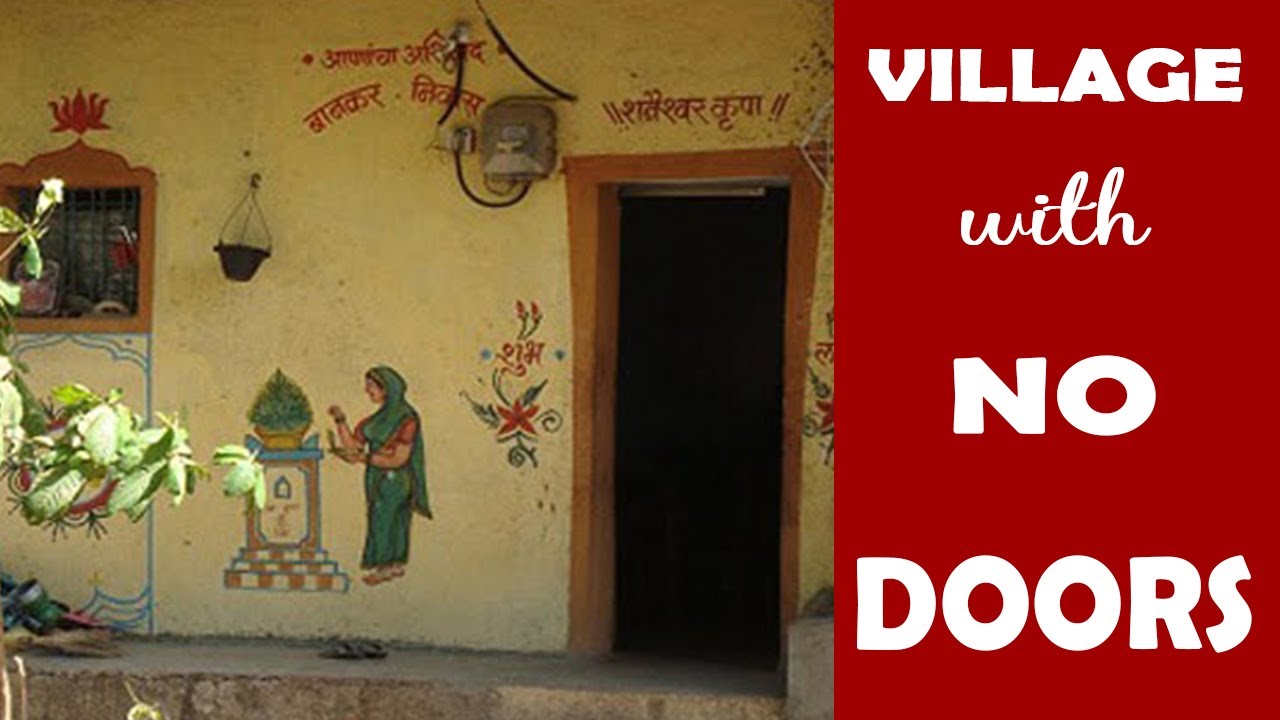
Shani Shingnapur, famously known as ‘the village with no doors, is a place where houses, shops, and even banks remain unlocked. Surprisingly, crime is almost unheard of here.
This unique village has fascinated travellers, spiritual seekers, and researchers alike. But what makes this village so fearless? Is it blind faith, divine protection, or something more? Let us explore the mystery of Shani Shingnapur, its beliefs, history, and why it continues to stand as one of India’s most fascinating destinations.
Where is Shani Shingnapur Located?
Shani Shingnapur is a small village located in the Ahmednagar district of Maharashtra, around 75 km from Shirdi. The village is quiet, humble, and deeply spiritual, with a population of roughly 5,000 people.
Despite its small size, Shani Shingnapur attracts millions of devotees every year, especially those who worship Lord Shani, the Hindu god associated with justice and karma.
The Legend Behind Shani Shingnapur
The mystery of Shani Shingnapur begins with a powerful legend.
According to local belief, around 300 years ago, after a heavy flood, villagers discovered a large black stone lying on the banks of a river. When a villager touched the stone with a stick, blood reportedly dripped out. That night, Lord Shani appeared in the village head’s dream and revealed that the stone was his form.
Lord Shani instructed the villagers not to build a roof or enclosure over the stone. He promised that as long as the village trusted him completely, he would protect them from all harm and theft. The villagers obeyed, and that faith continues even today.
Why Are There No Doors in Shani Shingnapur?
The most fascinating aspect of this village is that houses do not have doors or locks. Many homes only have open entrances or wooden frames. Shops leave cash unattended. Even public institutions once operated without locks.
The belief is simple yet powerful that Lord Shani watches over the village day and night.
The villagers believe that anyone who attempts theft will immediately face severe punishment from Lord Shani. This punishment will range from illness to misfortune and even blindness.
Because of this deep-rooted belief, crime is virtually nonexistent in this village.
The Shani Temple: Heart of the Village
At the centre of the village stands the Shani Shingnapur Temple, which is one of the most important temples dedicated to Lord Shani in India.
Unlike other temples, this one does not house an idol in a closed sanctum. Instead, the black stone representing Lord Shani stands open to the sky, just as the deity instructed centuries ago.
Key Features of the Temple:
- No roof over the deity
- Open-air platform
- Oil offerings made by devotees
- Strong belief in karma and justice
Devotees pour mustard oil over the stone, believing it reduces the negative effects of Saturn (Shani) in their astrological charts.
Shani Shingnapur and Astrology
In Hindu astrology, Shani (Saturn) is considered a strict but fair planet. It rewards honesty, discipline, and hard work, while punishing deceit and wrongdoing.
Many people visit Shani Shingnapur during:
- Shani Sade Sati
- Shani Dhaiya
- Saturdays (considered Shani’s day)
- New moon days (Amavasya)
The village has become a major centre for people seeking relief from astrological problems, especially those related to Saturn.
Has There Ever Been a Theft in Shani Shingnapur?
This is the most commonly asked question.
For decades, villagers proudly claimed that no theft had ever occurred. However, in recent years, a few minor incidents have been reported, mostly involving outsiders. Even then, villagers believe that those involved faced immediate bad luck or consequences.
Despite modernization and increased tourism, the core belief system remains strong, and crime rates are still extremely low compared to other places.
The World’s First Doorless Bank
One of the most talked-about moments in Shani Shingnapur’s history came in 2011, when a public sector bank opened a branch in the village without traditional locks.
Although modern security systems were discreetly installed later due to regulations, the symbolic gesture reinforced the village’s faith-driven identity.
Faith vs Modern Security
In today’s world of CCTV cameras, alarm systems, and digital locks, Shani Shingnapur stands in sharp contrast. Here, faith replaces fear, and trust replaces suspicion.
While some critics call it blind belief, others see it as:
- A powerful example of collective trust
- A community bound by shared values
- Proof that morality can act as security
Whether one believes in divine protection or not, it is impossible to ignore the discipline and honesty embedded in the village culture.
Life in Shani Shingnapur Today
Modern changes have slowly entered the village, such as:
- Concrete houses
- Roads and electricity
- Smartphones and the internet
Yet, many homes still choose to remain doorless, not because they have to, but because they believe.
Women, children, and elders live without fear. The sense of safety here comes not from locks, but from faith and community responsibility.
Why Shani Shingnapur Attracts Tourists
Shani Shingnapur is not just a religious site but also a living mystery.
People visit it for:
- Spiritual reasons
- Curiosity about the doorless village
- Cultural exploration
- Astrological remedies
It has become one of the most talked-about villages in India and frequently appears in travel blogs, documentaries, and international media.
Best Time to Visit Shani Shingnapur
The village can be visited throughout the year, but certain times are more favorable.
Ideal visiting periods:
- October to March is the perfect time to visit Shani Shingnapur, as the weather is pleasant, making it ideal for sightseeing.
- Saturdays are also a good option since it is the most auspicious day for Lord Shani, but it is very crowded.
- Amavasya, also known as New Moon days, is good for special rituals.
- If you prefer a peaceful experience, visit on weekdays early in the morning.
How to Reach Shani Shingnapur
Shani Shingnapur is well connected by road and nearby railway stations. Here is a detail to reach Shani Shingnapur:
By Air: Nearest airport: Aurangabad Airport (approx. 90 km)
By Train: Nearest railway station: Sainagar Shirdi (approx. 75 km), From Shirdi, taxis and buses are easily available.
By Road: It is well connected by bus from Shirdi, Ahmednagar, Pune, and Mumbai. Many pilgrims combine a visit to Shani Shingnapur with a visit to the Shirdi Sai Baba Temple. You can also hire a car on rent from Pune to Shirdi or Mumbai to shirdi to reach your destination.
Nearby Attractions to Explore
Travellers can explore several interesting places near Shani Shingnapur to make it a perfect short trip destination.
- Shirdi (75 km): One of India’s most famous pilgrimage sites, dedicated to Sai Baba.
- Ahmednagar Fort (35 km): A historic fort with deep connections to Indian history and the Nizam era.
- Bhandardara (140 km): A scenic hill station known for lakes, waterfalls, and nature trails.
- Aurangabad (85 km): Home to UNESCO World Heritage Sites like Ajanta and Ellora Caves.
Accommodation Options Near Shani Shingnapur
The village itself has limited stay options, but nearby towns offer comfortable accommodations.
Stay options include:
- Budget lodges near the temple
- Hotels in Shirdi for better facilities
- Dharamshalas for pilgrims
For comfort and convenience, many travellers prefer staying in Shirdi and visiting Shani Shingnapur as a day trip.
Food and Local Facilities
Food options in the village are simple and mostly vegetarian.
What to expect:
- Basic local Maharashtrian meals
- Small eateries and temple food stalls
- Limited options for international cuisine
Read More: Best Places to Visit in India During Monsoon
Important Temple Rules for Visitors
To maintain sanctity and discipline, visitors must follow temple guidelines:
- Men are traditionally expected to wear dhotis during certain rituals
- Photography may be restricted in some areas.
- Devotees must follow the queue systems strictly.
- Oil offerings should be made only at designated areas.
Following these rules ensures a respectful and smooth visit.
Lessons From the Village With No Doors
Shani Shingnapur teaches us lessons that go beyond religion:
- Trust builds safer communities – Mutual trust creates harmony and peace.
- Fear is not the only way to control crime – Moral values can be just as powerful.
- Tradition can coexist with modernity – Even in a modern world, ancient beliefs can survive.
- Faith can shape behavior – When people truly believe in consequences, wrongdoing reduces.
Is Shani Shingnapur a Miracle or a Mindset?
The mystery remains unanswered.
Is Lord Shani truly guarding the village?
Or is it a psychological system where belief enforces discipline?
Perhaps it is both.
What makes Shani Shingnapur truly special is not the absence of doors, but the presence of faith so strong that locks become unnecessary.
Shani Shingnapur, the village with no doors, stands as a powerful reminder that trust, belief, and shared values can create a safe and harmonious society. In a world obsessed with security, this small village quietly proves that sometimes, faith can be the strongest lock of all.
Whether you view it as divine protection or a remarkable social experiment, one thing is certain: Shani Shingnapur is a mystery that continues to inspire, amaze, and challenge the modern world.